
Fine Art Equine Photography CT and MA
Equine Photography CT and MA | Key Takeaways
- This photographer in Suffield offers professional pet and equine sessions designed to create artwork you want to hang on your wall, not images that live only on a screen. Serving Northern Connecticut and Western Massachusetts, including Avon, Simsbury, and Longmeadow.
- Captured by Rob Faber Photography, a Suffield-based photographer known for fine art equine portraits rooted in patience, safety, and emotional storytelling.
- This article explains the value of working with a dynamic, client-focused equine photographer who understands horses and creates portraits that honor the horse–owner bond through museum-quality wall art.
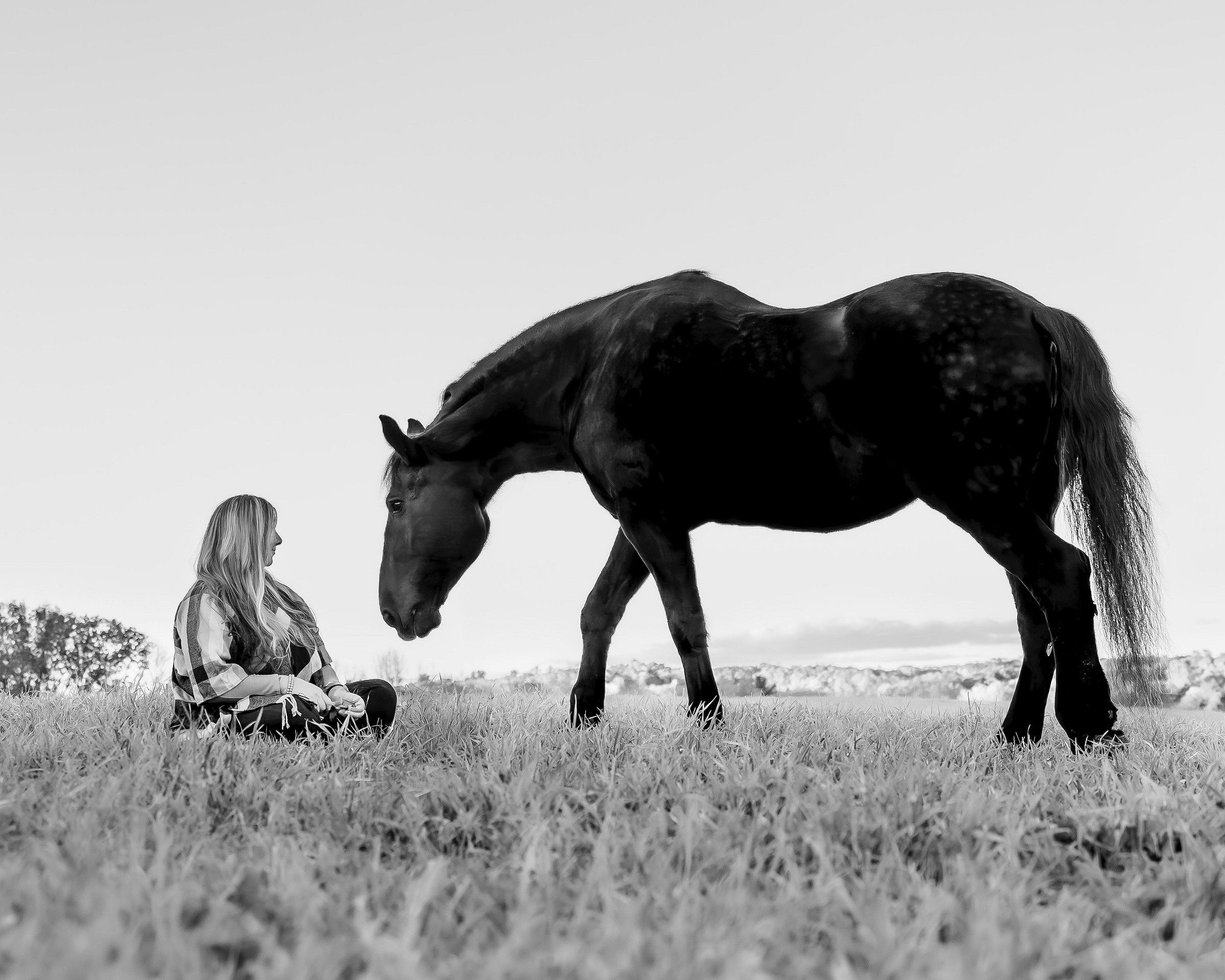
For many horse owners, photography is not about documenting what a horse looks like. It is about preserving what that horse means. That is why equine photography CT and MA deserves a very different approach than standard pet or livestock photography.
When done as fine art, equine portraits become a reflection of trust, history, and partnership. They capture presence, power, and quiet moments that words often fail to describe. As a result, the process must be intentional, patient, and deeply respectful of the animal.
This guide breaks down what equine photography CT and MA truly means when approached as fine art, from experience and safety to lighting, preparation, and final wall art.
Why Equine Photography CT and MA Is Different From Standard Sessions
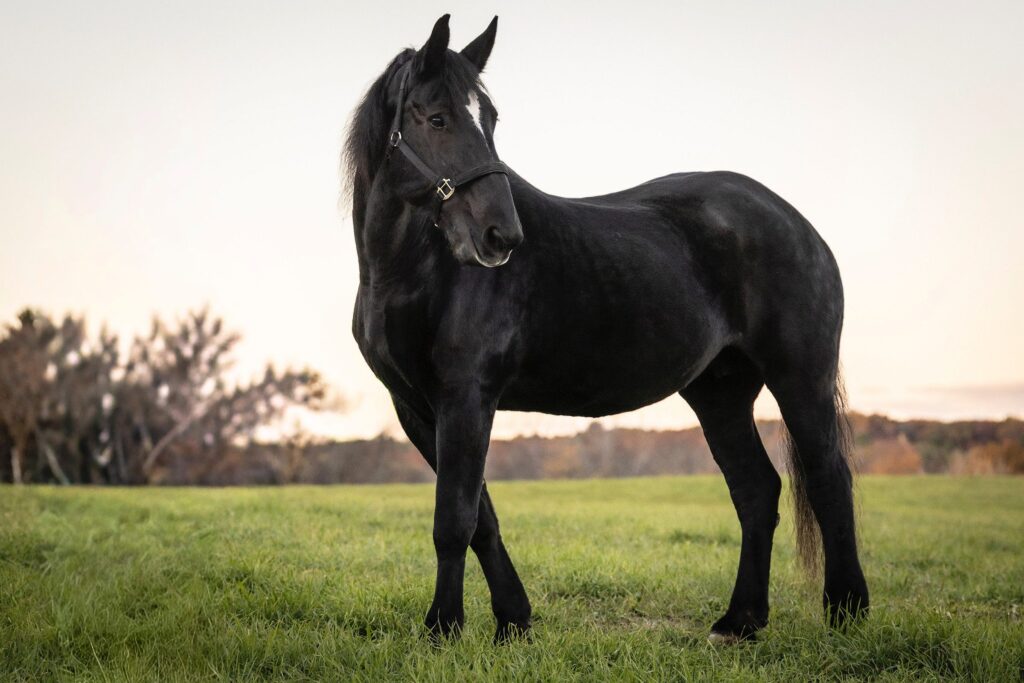
Equine photography requires more than technical camera skill. It requires understanding horses as individuals.
Unlike quick photo sessions, equine photography CT and MA often takes place in environments where horses are most comfortable. This might be a pasture, a barn aisle, or a familiar paddock. Because of this, the photographer must adapt to the horse, not the other way around.
In addition, horses are highly sensitive to energy and movement. A calm, controlled approach creates better portraits and a safer environment for everyone involved.
When these factors come together, the images feel natural instead of forced.
A Fine Art Mindset Starts Before the Camera Comes Out
Intentional Planning for Each Equine Photo Shoot
Every successful equine photo shoot begins with planning. This includes discussing the horse’s personality, history, and role in the owner’s life.
For example, some horses carry competitive legacies. Others represent healing, companionship, or years of quiet partnership. Therefore, the session must reflect that story.
Because of this, fine art equine photography never follows a one-size-fits-all template. Each session is built around intention, not speed.
As a result, the final portraits feel personal and emotionally grounded.
Safety Is the Foundation of Equine Photography CT and MA
Safety is not optional in equine work. It is foundational.
An experienced equine photographer understands body language, boundaries, and proper positioning. This awareness protects the horse, the owner, and the photographer.
For instance, spacing, angles, and pacing are carefully managed throughout the session. Sudden movements are avoided. The environment is kept calm and predictable.
Because of this, horses relax. When horses relax, their expressions soften. That is when the most meaningful images are created.
Lighting Choices That Elevate Equine Fine Art
Lighting is one of the most powerful tools in equine fine art. However, it must be used thoughtfully.
Natural light often works beautifully for equine portraits, especially during early morning or late afternoon. These softer conditions enhance texture, muscle tone, and expression without harsh contrast.
In some situations, controlled lighting can be introduced carefully. When done correctly, it adds depth and drama while maintaining safety.
The goal is never to overpower the horse. Instead, the light should reveal character and presence.
Equine Photography CT and MA Designed for Wall Art
Why Fine Art Printing Matters
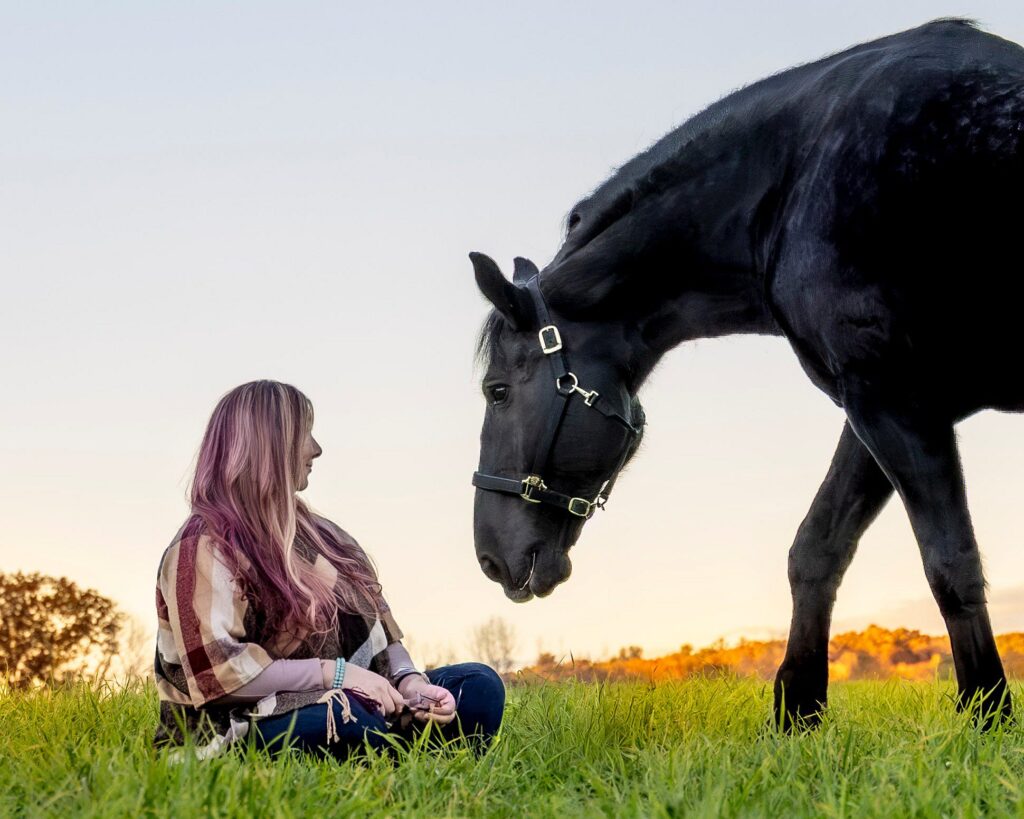
Equine photography CT and MA is often commissioned with wall art in mind. Therefore, every decision during the session impacts how the image will translate into a physical piece.
Composition, negative space, and color balance all affect how a portrait feels when displayed large. An image designed for a phone screen may not work as a statement piece on a wall.
Because of this, fine art equine photography considers the final product from the beginning.
Creating Artwork That Honors the Horse–Owner Bond
Wall art serves a purpose beyond decoration. It becomes a daily reminder of connection, partnership, and shared time.
That is why equine fine art portraits focus on emotion as much as form. Subtle gestures, quiet stances, and authentic moments carry more weight than dramatic poses.
When viewed over time, these images gain meaning rather than losing relevance.
What Sets a Professional Equine Photographer Apart
Not all photographers are equipped to work with horses. Experience matters.
A professional equine photographer brings patience, awareness, and adaptability to every session. They know when to wait and when to move. They know how to read subtle cues.
In addition, they understand how to guide owners without adding pressure. This collaborative approach allows the session to unfold naturally.
As a result, both horse and owner feel respected throughout the process.
Common Misconceptions About Equine Photography
There are a few common misunderstandings about equine photography CT and MA that often lead to disappointment.
- Assuming speed leads to better results
- Treating horses like props rather than partners
- Prioritizing dramatic effects over comfort
- Underestimating the importance of preparation
Avoiding these pitfalls leads to portraits that feel genuine and timeless.
Preparing for a Meaningful Equine Photo Shoot
Preparation plays a major role in the success of an equine session.
This may include grooming, choosing a familiar location, and allowing extra time so nothing feels rushed. Additionally, simple wardrobe choices for owners help keep the focus on the connection rather than clothing.
When preparation is handled thoughtfully, the session feels calm and purposeful.
Equine Photography CT and MA Across Connecticut and Massachusetts
From Avon and Simsbury to Longmeadow and beyond, equine photography CT and MA benefits from an understanding of regional landscapes and seasonal light.
New England environments offer varied textures and tones. Fields, barns, and tree lines each contribute differently to the final image. Knowing how to work within these settings ensures consistency and quality.
This local knowledge strengthens the overall experience.
Frequently Asked Questions About Equine Photography CT and MA
Q: What makes equine photography different from pet photography?
Equine photography requires specialized knowledge of horse behavior, safety, and pacing. The approach is slower and more intentional to respect the animal.
Q: How long does an equine photo shoot usually take?
Sessions are designed without strict time pressure. This flexibility allows the horse to settle and ensures safety throughout the process.
Q: Can equine portraits be turned into wall art?
Yes. Equine photography CT and MA sessions are often created specifically for fine art prints, canvases, and framed pieces.
Q: How do I learn more about working with you?
Fill out the inquiry form through Contact Rob Faber Photography, and you will receive detailed information about planning an equine fine art session.
Equine photography is about more than capturing an image. It is about honoring a relationship that has shaped years, routines, and emotions. When approached with care, equine photography CT and MA becomes a lasting tribute to that bond.
If you value meaningful artwork, patience, and a fine art process rooted in respect for the horse, the experience matters as much as the final portrait. To begin planning an equine session designed for wall art and legacy, reach out through Contact Rob Faber Photography.


Serving Suffield, CT, and surrounding areas, Rob Faber Photography specializes in one-of-a-kind portraits for professionals, athletes, and high school seniors. This blog highlights sessions from across Connecticut and Massachusetts, including West Hartford, Glastonbury, and the Cape Cod shoreline. Every entry showcases the artistry and attention to detail behind Rob’s Signature Black Label Experience—transforming everyday moments into extraordinary artwork for your home.
Connecticut Portrait Photography Stories & Inspiration"
"I am a huge Rob Faber fan!"
He did an amazing job with my new headshots and pictures for my website. He took my ideas and vision to the next level. He was patient, had great ideas and suggestions and was really able to capture "me"! Rob is truly an artist behind the camera and I cannot recommend him enough. If you are in need of a photographer, Rob is definitely your guy! He will help elevate the look of your business to the next level.
Chris Latournes
"Rob is great to work with!"
He can do it all! Whether he is capturing a special family moment, sporting event or a senior portrait he does it seamlessly and makes the experience fun!
We’ve worked with Rob many times and he always delivers excellent portraits. Each photo always tells a story and beautifully captures the moment.
Danielle Delpha
"Rob is an amazing photographer"
Rob is an amazing photographer, both technically and creatively. He knows how to make you comfortable during the shoot, and to bring out your own unique personality. Not only did he have so many of his own incredible ideas for the shoot, but he was also more than willing to collaborate for my vision as well. A top-notch experience from start to finish. Highly recommended.
Lee Totten
more about Rob
I’ve always believed that good work speaks for itself. Photography, for me, has never been about chasing trends or high-volume sessions — it’s about creating portraits with clarity, purpose, and staying power.
The kind of images you print, frame, and live with. This page is a closer look at how I work, what I care about, and what you can expect when we work together.
Rob FAber
Meet the Artist

Have a story to tell? I’d love to hear it. Let’s begin with a simple note.
Headshots and
Corporate Portraits


