

Beards, Bald Heads, and Gray Hair: Owning Your Look in a Headshot
Owning Your Look Takeaways at a Glance
- Rob Faber Photography is a Peter Hurley trained headshot photographer serving professionals and teams across Northern Connecticut and Western Massachusetts, including Suffield, Simsbury, West Hartford, and Glastonbury.
- Owning your look in a headshot means photographing the person people actually meet, not a version of you from ten years and one hairline ago.
- Beards, bald heads, and gray hair are not problems to hide. With intentional light, they become some of the most distinctive parts of a portrait.
- Most of the work happens in the studio, through light placement, angle, and real-time review on screen, so retouching can stay light and honest.
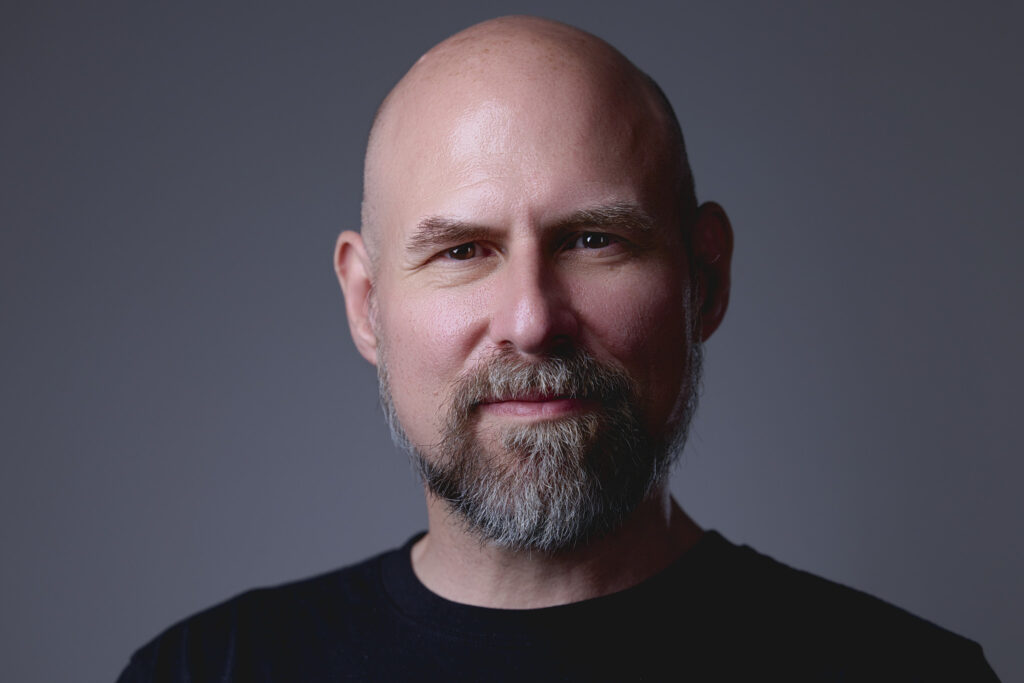
There is a moment I see in a lot of sessions. A client sits down, glances at the screen, and says something like, “Can we do anything about the gray?” or “Just so you know, I’m not thrilled about the bald spot.” Sometimes it is a beard they are unsure about keeping. Sometimes it is a hairline that has moved since their last headshot was taken. Every time, my answer starts the same way: owning your look in a headshot is almost always the stronger choice, and it is my job to make that look great.
This post is not a grooming checklist. I have already covered trims, blotting, and timing in a separate guide. This one is about mindset and light. It is about why the features people worry about most often end up giving their headshot its character, and how I photograph them so they read as confident and intentional.
Why Owning Your Look in a Headshot Matters
A headshot has one core job: to introduce you accurately before you walk into the room. When someone sees your photo on LinkedIn, a company website, or a conference program, and then meets you on a video call, there should be no gap between the two.
I teach business and marketing by day, and one idea I come back to with students is that trust is built on consistency. A brand that promises one thing and delivers another loses credibility fast. Your headshot works the same way. A photo from before the gray came in, or one taken at an angle carefully engineered to hide a receding hairline, sets up a small moment of surprise when people meet you. Nobody will say anything, but they will notice.
When you own your look, that moment disappears. What people see is what they get, and that reads as confidence. It also tends to be the more memorable image. A silver-haired professional against a dark background, or a bald head with clean, sculpted light, is far more distinctive than a generic portrait trying to look like everyone else.
Bald Heads: Light Is Everything
Clients with shaved or bald heads usually have one worry: shine. That concern is fair, and I take it seriously. But shine is only half the story. The other half is shape, and a bald head photographed well has a strong, clean shape that can look outstanding in a portrait.
Controlling Highlights on the Scalp
I build my lighting around a key, a fill, and a kick. With a bald head, the placement of each one matters more than usual, because the top of the head is a smooth, curved surface that reflects light readily.
The key light shapes the face. I place it so the brightest highlight falls across the cheekbones and the bridge of the nose rather than across the crown. The fill softens the shadow side without creating a second bright spot on top. The kick light is the one I watch most closely. On clients with hair, it catches the edges of the hair and shoulders to separate them from the background. On a bald head, a kick light in the wrong spot creates a hot stripe along the scalp. I adjust it until it gives a subtle edge of separation without becoming the brightest thing in the frame.
In my Back in Black studio style, with rich shadows, soft directional light, and dark backgrounds, this attention pays off. A controlled highlight along the side of a bald head against a dark background looks sculpted and deliberate. It reads strong, not shiny.
Angle and Posture
Camera height matters too. Shooting from slightly above eye level can make the top of the head more prominent in the frame, so I usually keep the camera close to eye level or just above it. I also coach clients to bring their forehead slightly forward and down, something I learned at Peter Hurley’s Headshot Intensive in Cambridge, Massachusetts. It defines the jawline, and with a bald head it keeps the focus on the face and eyes rather than the top of the skull.
Blotting still helps, and we do it between setups as needed. But the light does most of the work.
Gray Hair: A Feature, Not a Flaw
Gray, silver, and white hair photograph beautifully when they are lit with intention. I say this to men and women equally, because gray hair concerns are not limited to one group.
Why Gray Hair Shines Against a Dark Background
Silver and white hair hold light differently than darker hair. They pick up highlights easily and show texture well. Against the dark backgrounds of my Back in Black style, that brightness creates natural separation and contrast. The kick light, which I use to define the edges of a subject, lands on gray hair and gives it a soft glow that frames the face.
The result is a portrait that feels polished and distinguished without any effort to look younger. It looks like someone who knows exactly who they are.
Keeping Gray Hair Clean and Even
Because gray hair catches light so readily, flyaways are more visible than they are on darker hair. A light smoothing product helps, and I watch for stray strands on screen throughout the session. I also pay attention to color balance. Gray hair can pick up a yellow or blue cast depending on light and processing, so I make sure it reads as a clean, natural silver in the final image.
What About Covering the Gray?
If you color your hair and plan to keep coloring it, that is your choice, and your headshot should reflect how you actually look. The one thing I would avoid is coloring it for the first time, or for the first time in a long while, right before your session, purely for the photo. If people know you as silver-haired, a sudden change in your headshot creates the exact mismatch we are trying to avoid. Decide how you want to wear your hair day to day, then let your headshot match it.
I will not paint out gray hair in retouching. I retouch with a light hand in Lightroom, cleaning up temporary things like a stray hair or a small blemish. Changing your hair color, like reshaping your features, takes the headshot away from being an honest introduction.
Beards: Framing the Jawline
A well-kept beard can give a portrait structure and personality. It frames the jaw, adds texture, and is often a big part of how people recognize someone.
Light and Texture
Beards add a lot of texture to the lower half of the face, and texture responds to directional light. My key light comes from the side and slightly above, which brings out the depth and dimension in a beard rather than flattening it into a single dark shape. The fill keeps the shadow side from getting too heavy, which matters with darker beards against a dark background. I want the edge of the beard to be clear, not lost in the shadows.
For gray or salt-and-pepper beards, the same rules as gray hair apply. They catch light beautifully, and I keep the color clean and natural.
Shape and the Jawline
A beard can define a jawline or soften one. Posing helps either way. The forward-and-down movement I coach in every session creates a clean line under the chin, and with a beard it keeps the neckline from blending into the collar. Small changes in head angle can show the beard’s shape more clearly, and because I shoot tethered, we see each adjustment on a large screen right away.
If you are wondering about timing your trim, my grooming guide walks through that in detail. The short version: shape it a few days ahead, not the morning of.
Thinking About Shaving It Off?
Some clients ask whether they should shave for the headshot. My answer is the same as with gray hair. If you are keeping the beard, keep it in the photo. If you are planning to shave and stay clean-shaven, do it first, live with it for a while, and then schedule your session. Your headshot should match the face people will see for the next couple of years.
Your Expression Matters More Than Your Hair
Here is what I want every client to remember: people connect with your eyes first. Hair, or the lack of it, frames the image, but your expression carries it.
Peter Hurley’s Squinch, a subtle lift of the lower eyelids, is something I coach in nearly every session. It reads as confident and engaged. Combined with good posture and a genuine conversation, it pulls attention exactly where it belongs. When a client stops worrying about their hairline or their gray and settles into the session, I can see it on screen. The expression relaxes, the eyes come alive, and the portrait changes.
That shift is a big part of owning your look in a headshot. It is less about how your hair appears and more about the moment you stop apologizing for it.
Owning Your Look in a Headshot for Teams
Team sessions bring together every combination: beards, bald heads, gray hair, and everyone in between. I keep the background, framing, and overall lighting style consistent so the team page looks unified, then fine-tune each person’s light as needed. A bald team member may need the kick light moved a few inches. Someone with silver hair may need a small adjustment to keep highlights even. The setup stays consistent while each person gets attention.
For clients who want the whole process guided, my Black Label Experience covers planning from wardrobe through final delivery, including conversations about how you want to present your hair, beard, and overall look before the session.
Frequently Asked Questions
How do you keep a bald head from looking shiny in a headshot?
Most of it comes down to light placement. I position the key, fill, and kick lights so the brightest highlights land on the face rather than the top of the head, and I keep the camera near eye level. Blotting between setups helps too. Because I shoot tethered, we see every frame on screen and adjust immediately.
Will gray hair look good against a dark background?
Yes, often remarkably so. Gray and silver hair pick up light easily, which creates natural contrast against the dark backgrounds of my Back in Black style. I watch for flyaways and keep the color clean and natural in the final image.
Can you retouch my gray hair or fill in my hairline?
I retouch with a light hand in Lightroom, cleaning up temporary things like stray hairs or a blemish. I do not change hair color or rebuild a hairline. The goal is a headshot that matches the person people meet in real life.
Should I shave my beard before my headshot?
Only if you plan to stay clean-shaven. Your headshot should reflect how you will look day to day. If you are keeping the beard, keep it in the photo and have it shaped a few days before your session.
Do you photograph teams in CT and MA?
Yes. I photograph individual professionals and full teams throughout Northern Connecticut and Western Massachusetts, including Suffield, Simsbury, West Hartford, and Glastonbury. For teams, I keep the look consistent across the group and adjust the light for each person.
How do I book a headshot session?
Fill out my contact form, and I will send over more information. If you have questions about how your beard, gray hair, or bald head will photograph, mention it there and we will talk it through before your session.
Confident, Current, and Unmistakably You
Owning your look in a headshot is not about settling. It is about choosing to show up as the person you are right now, with light and direction that make that person look their best. Gray hair, a shaved head, a full beard: these are the details that make a portrait distinctive. My job is to light them with care and coach the expression that brings it all together.
If you are ready for a headshot that looks like you today, explore my professional headshot sessions, then reach out through my contact form to start the conversation. For practical prep before your session, my post on makeup and grooming for headshots covers trims, shine control, and timing. If LinkedIn is where your headshot will work hardest, my headshots for LinkedIn guide is a great next read. And if you want something with more drama, my Rain Rig portrait sessions bring falling water into the frame for a truly cinematic portrait.
For more behind-the-scenes conversations on portraits, branding, and business, subscribe to the Shoot for Succession podcast, available on all major podcast platforms.
more about Rob
I’ve always believed that good work speaks for itself. Photography, for me, has never been about chasing trends or high-volume sessions — it’s about creating portraits with clarity, purpose, and staying power.
The kind of images you print, frame, and live with. This page is a closer look at how I work, what I care about, and what you can expect when we work together.
Rob FAber
Meet the Artist

Have a story to tell? I’d love to hear it. Let’s begin with a simple note.
Headshots and
Corporate Portraits


