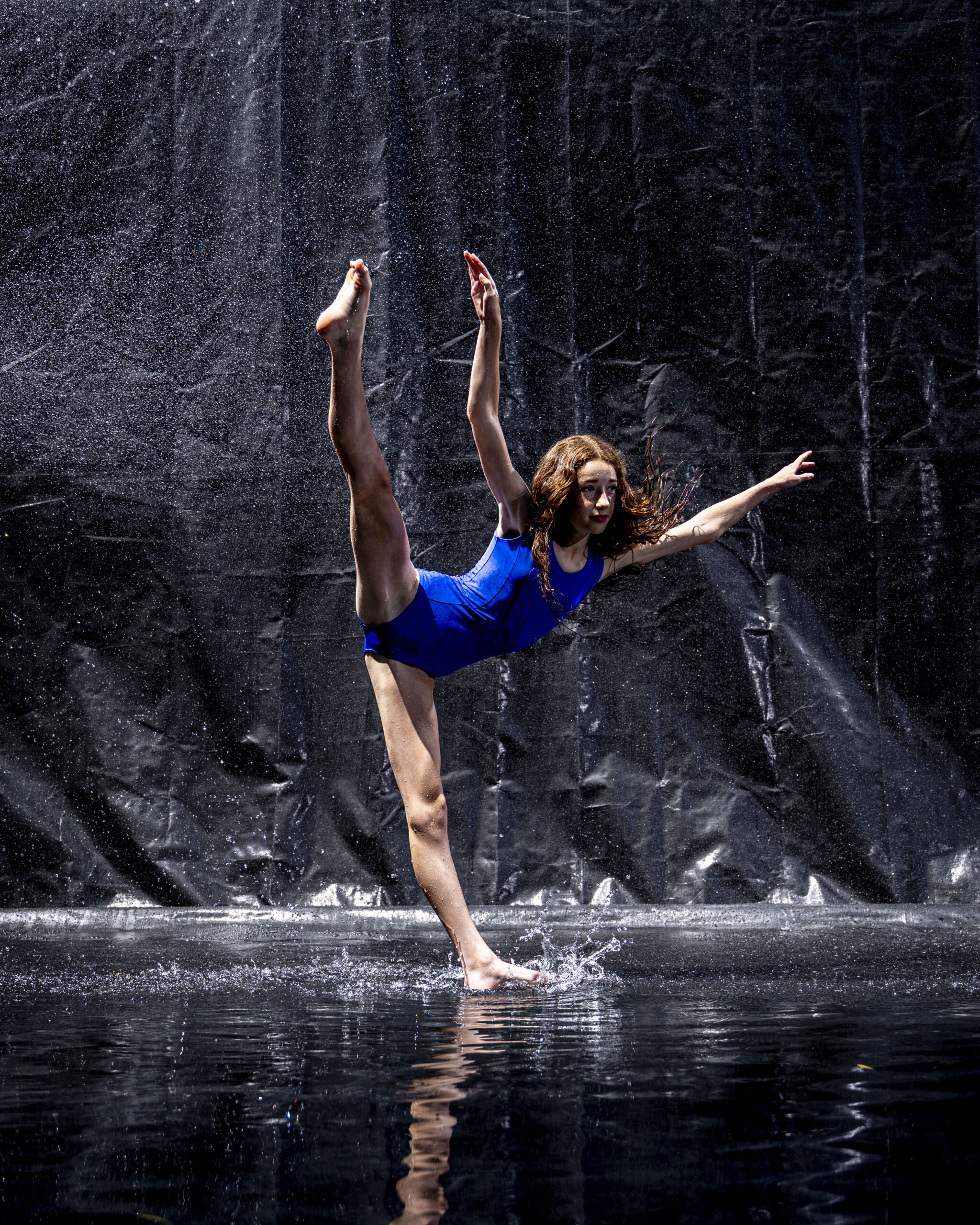
Before a single pose is booked, one quiet question usually decides the whole thing: is a rain photoshoot safe for kids? Most parents never ask it out loud, yet it sits in the back of the mind while they scroll the images. That is fair, and it deserves a straight answer rather than a sales pitch. So this guide walks through exactly how the studio handles water, footing, electricity, and age, so you can decide with your eyes open. A rain photoshoot safe for kids is not an accident; it is the result of specific, deliberate choices, and every one of them is explained below.
Rob Faber runs the Rain Rig in Suffield, Connecticut, and safety is the first thing he plans, not the last. Here is the honest picture.
What makes a rain photoshoot safe for kids: the three real worries
When parents finally voice their concern, it almost always lands on one of three things. First, they worry their child will be cold or soaked to the point of misery. Second, they worry about slipping on a wet surface mid-jump. Third, they worry about the obvious tension between water and electricity around all that lighting gear.
Those are the right questions to ask, and none of them is dismissed here. Instead, each one has a concrete answer. Understanding all three is what makes a rain photoshoot safe for kids feel less like a leap of faith and more like an informed choice. Let us take them one at a time.
Water temperature and ten-minute sessions
The Rain Rig is an outdoor setup, so it runs in warmer Connecticut months rather than in the teeth of a New England winter. That timing matters, because it means your child is not stepping into freezing rain on a cold afternoon.
Just as important, the session itself is short. Every booking is ten minutes and up to five poses. Ten minutes is long enough to capture five strong frames, yet short enough that no child stands shivering. Kids are moving, dancing, and jumping the whole time, which keeps them warm, and the water contact is brief and controlled rather than a prolonged soak.
The studio also asks every family to bring two towels and a dry change of clothes. Consequently, the moment your child steps off the set, they are wrapped up and warm within seconds. Between the seasonal timing, the ten-minute length, and the towels waiting at the edge, the temperature worry mostly takes care of itself.
A slip is the fear parents feel in their stomach, especially with a dancer or gymnast who is about to leap. So footing gets real attention.
The surface under the rain is chosen and prepared for grip, not left as a slick puddle. Rob directs poses with the wet ground in mind, which means the big, dynamic shapes happen where footing is solid, and the riskier balances are staged carefully. Kids are also guided through each pose one at a time rather than rushed, so nobody is scrambling.
Bare feet are welcome for many dancers, since bare skin often grips a wet surface better than a smooth sole. When shoes make more sense for a sport, non-slip options are the way to go. Either way, the goal is the same: your child plants, poses, and moves with confidence, never on a surface working against them.
Electrical safety around the rain rig
Water and electricity sound alarming together, and honestly, they should be treated with respect. That respect is exactly why the rig is built the way it is.
The lighting and power are positioned and protected so they stay well separated from the water itself. Professional gear is set up by someone who does this repeatedly, with placement planned before a single drop falls. This is not a garden hose and a household lamp improvised in a backyard; it is a deliberate outdoor rig where the electrical elements are kept clear of the wet zone.
Because the setup is consistent from session to session, there is no last-minute guessing. The same careful arrangement protects every child who steps under the rain, and it is a core reason a rain photoshoot safe for kids is achievable at all.
It also helps to remember that this is a routine, not an experiment. Rob has run the rig repeatedly, so the placement of every light and cable is already worked out before your child arrives. Nothing is improvised in the moment. That repeatability is quietly one of the biggest safety features of all, because a rig set up the same careful way each time leaves far less room for surprise.
Keeping a rain photoshoot safe for kids at any age
Age is a reasonable filter, and younger children simply need to be able to follow a few simple directions during their ten minutes. A child who can listen, hold a pose for a beat, and enjoy getting a little wet is a child who will do well.
Dancers, gymnasts, and cheerleaders are often naturals here, because they already take direction and already know their shapes. If you are unsure whether your child is ready, the best move is to ask before booking. Rob would rather talk it through honestly than have a family arrive unsure. Keeping a rain photoshoot safe for kids at any age depends on that fit, and it is an easy conversation to have up front.
Rehearsing beforehand helps enormously, too. When your child arrives already knowing a few poses, the session feels playful instead of stressful. Our guide to Dance Photos in the Rain lays out five poses you can practice at home in a dry room before you ever see the water.
What parents said afterward
Rather than invent quotes, here is the honest pattern the studio hears again and again. The worry that felt so big beforehand tends to melt within the first minute, once a parent watches their child laugh under the rain. Many families arrive braced for a struggle and leave surprised by how much fun it was.
The other thing parents mention often is the reveal. The images look far more dramatic than the gentle, controlled experience that produced them. That contrast, a calm ten minutes turning into powerful frames, is usually what turns a nervous first-timer into a repeat booking. None of that requires a testimonial to believe; it simply reflects how a short, well-run session tends to go.
Parents also tend to appreciate being able to watch the whole thing. You are not sending your child off somewhere out of sight. You stand right there with the towels, you see every pose, and you can step in at any second. For most families, that visibility is what finally settles the question of whether a rain photoshoot safe for kids is really something they can trust, because they are watching the answer happen in real time.
FAQ
Q1. How wet does my child actually get?
- Wet enough for the frames to look real, and dry within seconds afterward with the towels you bring. It is closer to running through a sprinkler than to being caught in a storm.
Q2. What if my child gets scared?
- The session is short and paced by your child. If they need a moment, they take one. Nothing is forced, and a calm, willing child photographs far better anyway.
Q3. Should I book in cooler weather?
- The outdoor rig runs in the warmer Connecticut season for exactly this reason. If a date looks marginal, the weather policy protects you, which is worth confirming when you book.
Q4. Where do I go deeper on the whole experience?
- Start with our rain photography overview of Rain Photos in Connecticut so nothing surprises you on the day.
You care about your child first, and that is exactly the right instinct. A rain photoshoot safe for kids comes down to warm-season timing, short sessions, prepared footing, respected electrical setup, and an honest conversation about age. If those answers put your mind at ease, reach out through robfaberphotography.com or email info@rf-photos.com, and let your dancer or athlete discover how fun ten minutes in the rain can be.