
How to Choose the Best Photographer for Your Corporate Headshots


Corporate Headshots Takeaways at a Glance
- Rob Faber Photography is a Suffield, CT based headshot photographer serving businesses across Northern Connecticut and Western Massachusetts, including West Hartford, Simsbury, and Glastonbury.
- Choosing a photographer for your corporate headshots is a brand decision, not a line item. The right choice shows up on every website bio, LinkedIn profile, and proposal your team sends.
- This guide walks through the five things that matter most: your goals, real specialization, the portfolio, the photographer’s direction style, and the logistics behind the session.
- Along the way, I share what I learned training directly with Peter Hurley at his Headshot Intensive, and how that shapes every session I run for professionals and teams.
Choosing a photographer for your corporate headshots can feel like a gamble. Every portfolio looks polished, every website promises “confident, professional results,” and prices range from a quick mini session to a full team day. So how do you tell the difference before you book? After years of photographing professionals, and after training with the most respected headshot photographer in the world, I can tell you the difference comes down to a handful of things most people never think to ask about.
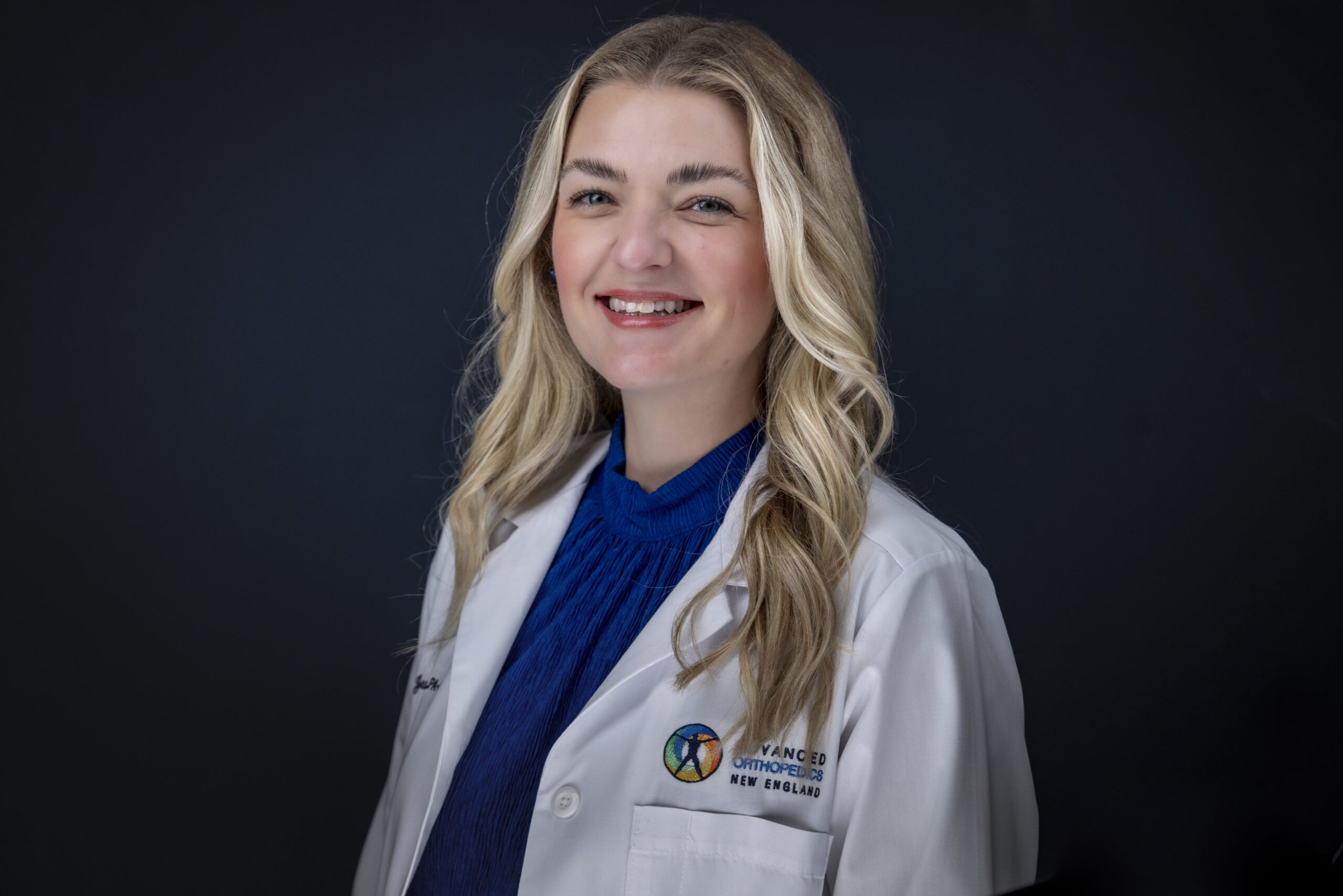
Your corporate headshots work for you around the clock. They sit on your website, your LinkedIn, your speaker bios, and your email signature. A client often decides in a few seconds whether they trust a face. That means the photographer you hire is, in a very real way, shaping your first impression. Here is how to choose well.
Start With Your Goals, Not the Price Tag
Before you compare photographers, get clear on what the images need to do. A law office, a financial advisor, a startup, and a creative agency all need different things from their corporate headshots.
Know Where the Images Will Live
Ask yourself a few simple questions first. Will these images appear on a team page, where every face must match? Are they for LinkedIn, where one person needs to stand out? Will they be printed in marketing materials or displayed in your office? Each answer changes the lighting, the background, and the crop. A good photographer will ask you these questions before you ever step in front of the camera. If they don’t, that is your first signal.
It also helps to look at how others in your industry present themselves. Then decide whether you want to fit in, or stand apart. Some firms want a clean, classic look that signals stability. Others want a bolder, more cinematic image that signals energy and confidence.
Set a Realistic Budget
Pricing varies widely, and it usually reflects experience, direction, and service. A budget session may get you a sharp file. However, it rarely gets you coaching, a considered lighting plan, or retouching that still looks like you. Think of your headshot as a marketing asset you will use for years. Divided across every proposal, profile view, and first meeting, a well-made portrait costs very little and earns a great deal.
Look for a Photographer Who Truly Specializes in Headshots
Many photographers offer headshots. Far fewer specialize in them. That distinction matters more than most people realize.
A headshot is one of the hardest portraits to get right. There is nowhere to hide. The frame is tight, the light is doing all the work, and the expression has to feel real. A photographer who mostly shoots weddings or events may take a nice photo of you. A headshot specialist, however, knows how to shape a jawline with light, how to read a face in seconds, and how to coach an expression that reads as confident and approachable at the same time.
Ask Where They Trained
This is the question almost nobody asks, and it tells you the most. Great headshot photographers invest in their craft on purpose.
For me, that meant traveling to Cambridge, MA, to attend Peter Hurley’s Headshot Intensive. Peter is widely regarded as the foremost authority on headshot photography. He is the author of The Headshot and the founder of Headshot Crew, the world’s largest network of trained headshot photographers. His intensive is capped at about a dozen photographers, so every setup gets watched and corrected in real time.
For two long, hands-on days, we studied light from harsh to soft, worked through Peter’s key, fill, and kick lighting approach, and practiced his systems for coaching expression. We shot tethered, so every frame appeared on a large screen instantly, and Peter gave direct feedback on each one. We photographed live models under pressure, and I even had the chance to photograph Peter himself. That kind of training is hard to fake, and it shows up in every session I run now. Today I am listed as a Pro member of Headshot Crew, and I bring that same standard to every business client I photograph.
When you interview photographers, ask them directly: where did you learn to do this, and what have you done recently to get better? The answer will tell you a lot.
Read Reviews for Patterns
Reviews help, but read them for patterns rather than stars. Look for repeated words about comfort, direction, and collaboration. Those are the qualities that separate a good session from a stiff one.
On my own site, clients tend to talk about the experience as much as the photos. Lee Totten shared, “Not only did he have incredible ideas but was willing to collaborate for my vision.” Chris Latournes put it this way: “He took my ideas and vision to the next level…truly an artist.” When you see comments like these, you are reading about a photographer who listens first and shoots second.
Study the Portfolio Like a Client Would
A portfolio is the photographer’s résumé. Still, you have to know what to look for.
Check the Technical Details
Look at the light first. Is it flattering and even, or are there harsh shadows and hot spots? Look at the eyes. Are they sharp, bright, and alive? Look at the edges of the frame for distractions. Then look at the skin. Good retouching cleans up without erasing the person. If everyone in the portfolio looks airbrushed into the same face, keep looking.
Look for Consistency and Range
Next, check whether the quality holds across many people, not just a few favorite shots. Can the photographer deliver a matching set for a whole team? Can they also create something distinct for a brand or creative professional?
That range matters for businesses. For example, when I photographed Springfield fashion designer Justin Haynes of JUS10H, the goal was not a standard corporate portrait. His brand needed images that carried his style and personality. On the other hand, a professional services firm needs clean, consistent corporate headshots that make an entire team look unified. A strong photographer can move between both without losing quality.
Pay Attention to Personality and Direction
Here is the truth most people learn too late. Gear matters, but direction wins. Almost everyone feels awkward in front of a camera. That reaction is completely normal. The photographer’s job is to solve it.
Direction Is the Real Skill
The biggest lesson from the Headshot Intensive was not about lighting. It was about people. Peter has built an entire system for pulling real expressions out of nervous subjects. That includes the famous Squinch, a subtle shift in the lower eyelids that turns a blank stare into quiet confidence. It also includes humor, steady encouragement, and constant, specific feedback.
In my own sessions, the process follows a clear rhythm:
- First, I set the light to flatter your unique face.
- Next, I coach your posture, chin, and angle.
- Then, I use expression cues to build confidence in the eyes.
- Finally, we review images together and refine until we nail the frame.
Because you see the images as we go, you are never left guessing. As a result, you leave knowing we got the shot.
Notice How They Communicate Before the Session
Communication before the shoot says a lot about the experience you will have. Does the photographer respond promptly and clearly? Do they ask about your goals, your industry, and where the images will be used? Do they give you real guidance on wardrobe and preparation?
I spend my weekdays teaching business and marketing, so I think about headshots the way a marketer does. Before we book, I want to understand your brand, your audience, and the impression you want to make. That conversation shapes everything from the background to the mood of the light.
Review the Logistics Before You Commit
Once you have a short list, get specific about how the session will actually work.
Studio, On-Location, or Team Day
Ask whether the photographer offers studio sessions, on-location sessions, or both. A studio gives complete control over light and background. On-location sessions can be more convenient for teams and can use clean natural light. For corporate headshots across a larger group, consistency is everything. The lighting, framing, and background should match from the first person to the last, even if people are photographed on different days.
Understand What You Receive
Finally, clarify the deliverables. How many images are included? What level of retouching comes with them? How quickly will you receive final files? Are printed pieces available for your office or reception area?
My studio’s Black Label Experience is built around this idea. The session is guided from wardrobe through final delivery, so nothing is left to chance. And for clients who want their images to live beyond the screen, we can create finished printed artwork as well.
Frequently Asked Questions
What makes a corporate headshot different from a regular portrait?
A corporate headshot is built to communicate trust and professionalism in a very small frame. It is usually tighter, more consistent, and designed to match across a team. Because of that, lighting and expression coaching matter even more than in a traditional portrait.
How do I know if a photographer specializes in headshots?
Look for a portfolio full of headshots, not just a few. Ask where they trained and how they coach expression. Membership in a professional network such as Headshot Crew, or training with an established headshot educator, is a strong sign of specialization.
Do you photograph teams and individuals in CT and MA?
Yes. I work with individual professionals and business teams throughout Northern Connecticut and Western Massachusetts, including Suffield, West Hartford, Simsbury, and Glastonbury. Whether you need one updated portrait or a full team set, we can build a plan that fits your schedule.
How should I prepare for my corporate headshots?
Keep it simple. Bring a few outfit options in solid colors, get good rest the night before, and come ready to relax. You do not need any experience in front of the camera. I will direct you through every step.
How do I book a session?
Fill out my contact form, and I will send over more information. From there, we will talk through your goals, your timeline, and the look you want.
The Right Photographer Makes All the Difference
Choosing the best photographer for your corporate headshots comes down to more than a nice portfolio. Look for real specialization, proven training, clear direction, and a process built around you. When those pieces come together, you get an image that looks like you on your best day, and a team that looks as strong as it truly is.
If your current headshot no longer reflects who you are, let’s change that. Explore my professional headshot sessions, then reach out through my contact form to start the conversation. You can also read more about my time at the Peter Hurley Headshot Intensive for a closer look at the training behind every session.
And for more behind-the-scenes insight into portraits, branding, and business, subscribe to the Shoot for Succession podcast, available on all major podcast platforms.


Serving Suffield, CT, and surrounding areas, Rob Faber Photography specializes in one-of-a-kind portraits for professionals, athletes, and high school seniors. This blog highlights sessions from across Connecticut and Massachusetts, including West Hartford, Glastonbury, and the Cape Cod shoreline. Every entry showcases the artistry and attention to detail behind Rob’s Signature Black Label Experience—transforming everyday moments into extraordinary artwork for your home.
Connecticut Portrait Photography Stories & Inspiration"
"I am a huge Rob Faber fan!"
He did an amazing job with my new headshots and pictures for my website. He took my ideas and vision to the next level. He was patient, had great ideas and suggestions and was really able to capture "me"! Rob is truly an artist behind the camera and I cannot recommend him enough. If you are in need of a photographer, Rob is definitely your guy! He will help elevate the look of your business to the next level.
Chris Latournes
"Rob is great to work with!"
He can do it all! Whether he is capturing a special family moment, sporting event or a senior portrait he does it seamlessly and makes the experience fun!
We’ve worked with Rob many times and he always delivers excellent portraits. Each photo always tells a story and beautifully captures the moment.
Danielle Delpha
"Rob is an amazing photographer"
Rob is an amazing photographer, both technically and creatively. He knows how to make you comfortable during the shoot, and to bring out your own unique personality. Not only did he have so many of his own incredible ideas for the shoot, but he was also more than willing to collaborate for my vision as well. A top-notch experience from start to finish. Highly recommended.
Lee Totten
more about Rob
I’ve always believed that good work speaks for itself. Photography, for me, has never been about chasing trends or high-volume sessions — it’s about creating portraits with clarity, purpose, and staying power.
The kind of images you print, frame, and live with. This page is a closer look at how I work, what I care about, and what you can expect when we work together.
Rob FAber
Meet the Artist

Have a story to tell? I’d love to hear it. Let’s begin with a simple note.
Headshots and
Corporate Portraits


