
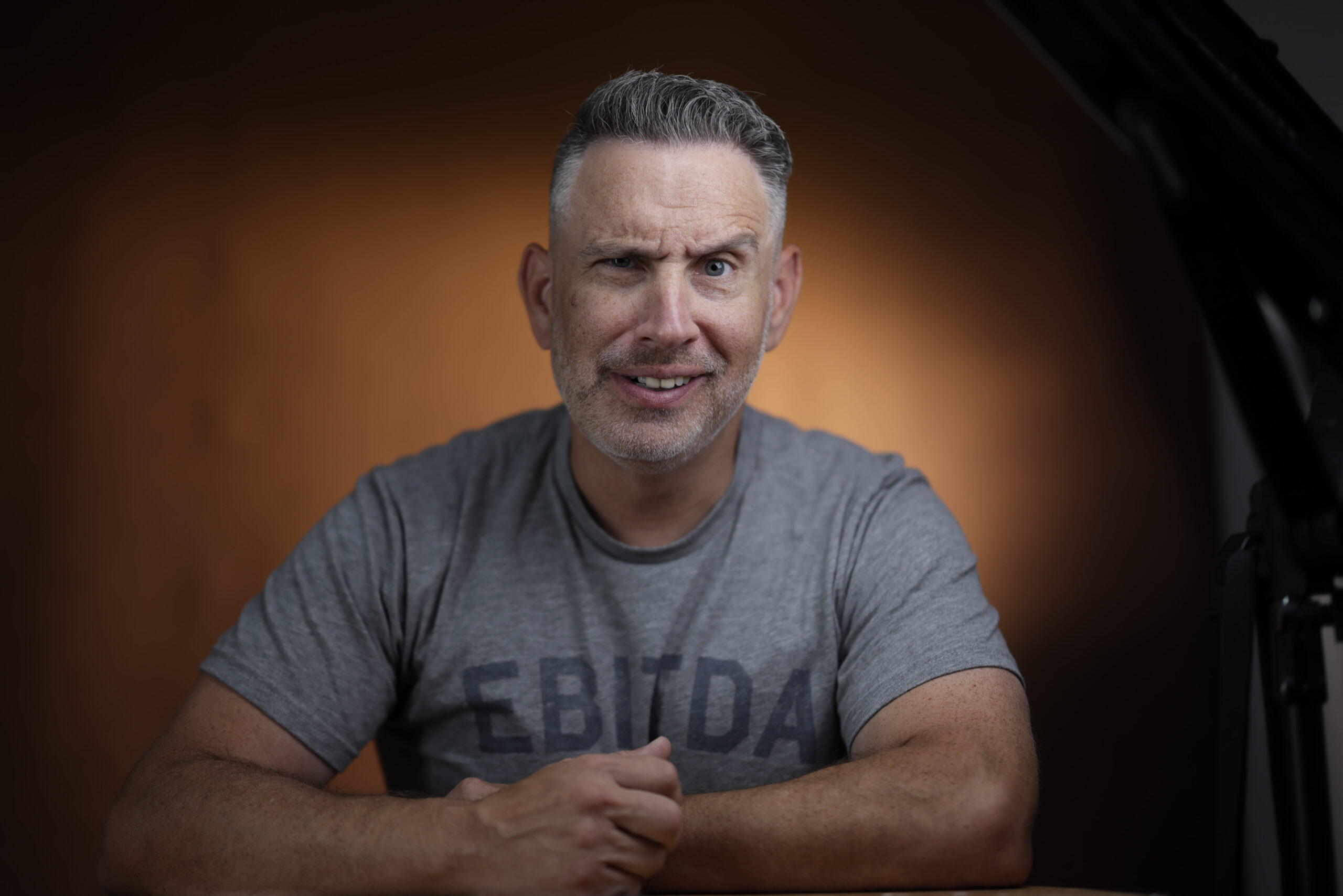
“I Hate Having My Picture Taken”: A Headshot Guide for the Camera-Shy
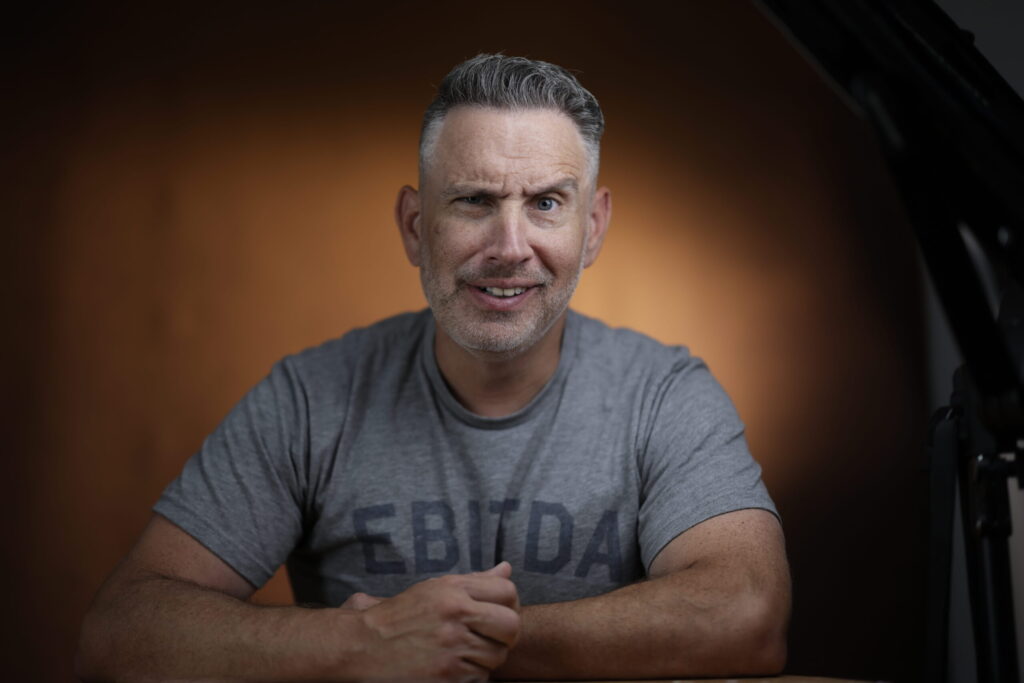
Camera-Shy Headshot Takeaways at a Glance
- Rob Faber Photography is a Peter Hurley trained headshot photographer serving professionals and teams across Northern Connecticut and Western Massachusetts, including Suffield, Simsbury, West Hartford, and Glastonbury.
- Feeling camera-shy is not a sign that you photograph badly. It usually means you have been photographed without real direction, or only in rushed, high-pressure moments.
- A camera-shy headshot session works best when it feels like a conversation, not a performance. You respond, I direct, and the pressure to “do it right” is mine to carry.
- Tethered shooting turns the unknown into something you can see. Watching each frame on screen replaces dread with small, visible wins.
“Just so you know, I hate having my picture taken.” I hear some version of that sentence at the start of more sessions than I can count. Sometimes it comes with a laugh, sometimes with a wince, and sometimes it is the very first thing someone says when they walk through the door. If that is you, this camera-shy headshot guide is written for you. Not to talk you out of the feeling, but to show you what a session actually looks like when the person in front of the camera would rather be anywhere else.
Here is what I have learned: the people who say they hate photos are often the ones who end up with the most honest, compelling headshots. They are not trying to perform. They just need someone to take the guesswork off their shoulders.
Why So Many Professionals Feel Camera-Shy
Most people do not dislike their face. They dislike the experience of being photographed and the results they have seen in the past.
Think about where most of your photos come from. A group shot where someone counts to three while you squint into the sun. A badge photo taken in fifteen seconds against a hallway wall. A phone held at an unflattering angle at a family gathering. None of those situations involve light chosen for your face, an angle chosen for your features, or anyone helping you relax. Of course the results feel off.
There is also a simple familiarity issue. You know your face mostly from the mirror, which shows you a reversed version of yourself. A photograph shows you the way everyone else sees you, and that unfamiliar orientation can look subtly wrong to you even when it looks completely normal to everyone else. That is one reason we look at frames together during the session rather than leaving you to judge them alone later.
None of this means you are “not photogenic.” It means you have been set up to struggle.
What a Camera-Shy Headshot Session Is Not
Before I explain how I work, it helps to clear away a few fears I hear often.
It is not a modeling shoot. Nobody is going to ask you to strike a pose, throw your head back laughing, or “work it.” My job is to give you small, specific directions, like turning your shoulders a little or bringing your chin forward, one at a time.
It is not a test you can fail. The first frames are always a warm-up, for everyone. Nobody walks in and nails it in the first two minutes, and I do not expect you to.
It is not a crowd. My studio sessions are calm and focused. You are not standing in an office lobby while coworkers walk past and comment.
And it is not a one-shot deal. We take a lot of frames. The pressure on any single click is close to zero.
How I Run a Camera-Shy Headshot Session
When I trained at Peter Hurley’s Headshot Intensive in Cambridge, Massachusetts, one of the biggest lessons had nothing to do with equipment. It was that the photographer is responsible for the experience, and the experience is what shows up in the eyes. That idea shapes every session I run, and it matters most for clients who arrive nervous.
We Start With a Conversation
Before the camera comes up, we talk. What do you do? Where will the headshot live? What did you not like about your last photo? This is not small talk for the sake of it. It tells me what you want people to feel when they see your image, and it gives you a few minutes to settle into the room before anyone is looking through a lens.
I Give You Something to Do
One reason people freeze in front of a camera is that they have no task. Standing still while being stared at is uncomfortable for anyone. So I keep you busy with small, simple directions and plenty of talking. You are responding to me, not performing for the camera, and that shift alone changes how your face looks.
I also coach the details that make a face read as confident even when you do not feel that way yet. Bringing your forehead slightly forward and down defines the jawline. Peter Hurley’s Squinch, a subtle lift of the lower eyelids, replaces the wide-eyed “deer in headlights” look that nerves tend to create. Those are physical adjustments, not emotional ones, which is good news for anyone who cannot just decide to feel relaxed on command.
You See Every Frame as We Go
I shoot tethered, which means every frame appears on a large screen moments after I take it. For camera-shy clients, this is often the turning point of the session.
Without tethering, being photographed is a black box. You hear the shutter, you wonder what it captured, and your imagination usually fills in the worst. With tethering, you see the actual image. You see the small change when we adjust your chin. You see the frame where your expression softened. Instead of worrying about what might be happening, you watch the headshot get better in front of you, and confidence tends to follow the evidence.
We Never Chase a Fake Smile
I do not ask you to say cheese, and I do not demand a smile. A forced smile is one of the most uncomfortable things to produce on cue, and it rarely looks right. I would rather talk, joke, and wait. When a real expression shows up, I am ready for it. If you are someone who prefers a composed, closed-mouth look, that is completely valid too, and it can be every bit as approachable when the eyes are engaged.
Small Things You Can Do to Feel More at Ease
You do not need to prepare much for a camera-shy headshot, but a few choices make the day feel lighter.
- Wear something you already feel good in. A new outfit you are unsure about adds another worry. Familiar, well-fitting clothes let you stop thinking about yourself.
- Protect your schedule. Arriving rushed from a stressful meeting brings tension into your shoulders and jaw. Give yourself a buffer before and after.
- Tell me what you dislike. If you have a side you prefer, a smile you are self-conscious about, or a feature you worry about, say so. Knowing that helps me choose angles and light with intention.
- Skip the mirror practice. Rehearsed faces tend to look rehearsed. Leave the expression work to the session.
- Bring a favorite topic. If talking about your kids, your dog, or a recent trip relaxes you, tell me. Those conversations bring out real expressions.
If you want a more detailed plan for the week leading up to your session, my post on how to prepare for your headshot session walks through it day by day.
Light That Works With You
Part of why past photos may have disappointed you is the light. Flat, overhead, or harsh light does nobody any favors.
In my Back in Black studio style, I use soft directional light, rich shadows, and a dark background. I build the light with a key, a fill, and a kick, which shapes the face, separates you from the background, and adds dimension that phone photos and badge cameras simply cannot. Many camera-shy clients are surprised to see that the same face they have avoided in photos for years looks completely different when the light is chosen on purpose.
Afterward, I retouch with a light hand in Lightroom. Temporary things like a blemish or a stray hair are easy to clean up. What I will not do is reshape your features or smooth your skin until it looks artificial. The goal is a headshot that looks like you on your best day, not a version of you that people will not recognize on the next video call.
Why a Camera-Shy Headshot Is Still Worth It
It is tempting to keep using an old photo or a cropped vacation picture, or to leave the profile circle blank. I understand the impulse. But I teach business and marketing by day, and I tell students the same thing I tell clients: people want to know who they are dealing with. A clear, current headshot lowers the barrier to that first call or first meeting.
It can also open doors. One of my clients, Brian, updated his LinkedIn profile with his new headshot and landed a new job about a month later. A photo does not get anyone hired on its own, but it makes sure your first impression is working for you instead of quietly working against you.
For camera-shy clients, there is often a second benefit. Seeing a photo of yourself that you actually like can change how you feel about being photographed at all. The next team photo or conference picture is a little less daunting when you know what you look like with the right direction.
Camera-Shy on a Team? You Are Not Alone
When I photograph teams, there are always a few people who would rather skip it. That is normal. For team sessions, I keep the light, background, and framing consistent for everyone, and I give each person the same patient, one-on-one coaching, whether they are the founder or the newest hire. A quick conversation and a few warm-up frames go a long way, and I keep the pace calm so nobody feels rushed while coworkers wait.
For clients who want the whole process handled with extra care, my Black Label Experience is guided from wardrobe through final delivery, which can take a lot of the pre-session worry off your plate.
Frequently Asked Questions
I am not photogenic. Can I still get a good headshot?
Yes. In my experience, “not photogenic” almost always means “never directed.” Expression, angle, and light are all things I control or coach during the session. Because I shoot tethered, you will see the improvement on screen as we work.
What if I freeze up in front of the camera?
That is very common, and it usually fades within the first few minutes. I keep you talking and give you small, specific directions so you are never just standing there. The early frames are a warm-up, and there is no pressure on any single shot.
Do I have to smile in my headshot?
No. A genuine smile works well for many people, but a composed, closed-mouth expression with engaged eyes can be just as approachable. We can capture both and decide together which feels most like you.
Will you retouch features I am self-conscious about?
I retouch with a light hand, cleaning up temporary things like blemishes or stray hairs. I do not reshape features. Instead, I use angle and light during the session to photograph you in the most flattering, honest way, so your headshot still looks like you in person.
Do you photograph teams in CT and MA?
Yes. I photograph individual professionals and full teams throughout Northern Connecticut and Western Massachusetts, including Suffield, Simsbury, West Hartford, and Glastonbury. Every team member gets individual coaching, along with consistent lighting, background, and framing across the group.
How do I book a headshot session?
Fill out my contact form, and I will send over more information. Feel free to mention that you are camera-shy. It helps me plan, and you will be in very good company.
From Dreading the Camera to Liking the Result
A camera-shy headshot session is not about turning you into someone who loves having their picture taken. It is about giving you an experience that is calm, guided, and visible frame by frame, so you leave with an image you are proud to put your name next to. You bring yourself. I bring the light, the direction, and the patience.
If you are ready to give it a try, explore my professional headshot sessions, then reach out through my contact form to start the conversation. If LinkedIn is where your new headshot will work hardest, my headshots for LinkedIn guide is a great next read. And once you have found your footing in front of the camera, my Rain Rig portrait sessions bring falling water into the frame for something truly cinematic.
For more behind-the-scenes conversations on portraits, branding, and business, subscribe to the Shoot for Succession podcast, available on all major podcast platforms.


Serving Suffield, CT, and surrounding areas, Rob Faber Photography specializes in one-of-a-kind portraits for professionals, athletes, and high school seniors. This blog highlights sessions from across Connecticut and Massachusetts, including West Hartford, Glastonbury, and the Cape Cod shoreline. Every entry showcases the artistry and attention to detail behind Rob’s Signature Black Label Experience—transforming everyday moments into extraordinary artwork for your home.
Connecticut Portrait Photography Stories & Inspiration"
"I am a huge Rob Faber fan!"
He did an amazing job with my new headshots and pictures for my website. He took my ideas and vision to the next level. He was patient, had great ideas and suggestions and was really able to capture "me"! Rob is truly an artist behind the camera and I cannot recommend him enough. If you are in need of a photographer, Rob is definitely your guy! He will help elevate the look of your business to the next level.
Chris Latournes
"Rob is great to work with!"
He can do it all! Whether he is capturing a special family moment, sporting event or a senior portrait he does it seamlessly and makes the experience fun!
We’ve worked with Rob many times and he always delivers excellent portraits. Each photo always tells a story and beautifully captures the moment.
Danielle Delpha
"Rob is an amazing photographer"
Rob is an amazing photographer, both technically and creatively. He knows how to make you comfortable during the shoot, and to bring out your own unique personality. Not only did he have so many of his own incredible ideas for the shoot, but he was also more than willing to collaborate for my vision as well. A top-notch experience from start to finish. Highly recommended.
Lee Totten
more about Rob
I’ve always believed that good work speaks for itself. Photography, for me, has never been about chasing trends or high-volume sessions — it’s about creating portraits with clarity, purpose, and staying power.
The kind of images you print, frame, and live with. This page is a closer look at how I work, what I care about, and what you can expect when we work together.
Rob FAber
Meet the Artist

Have a story to tell? I’d love to hear it. Let’s begin with a simple note.
Headshots and
Corporate Portraits


