
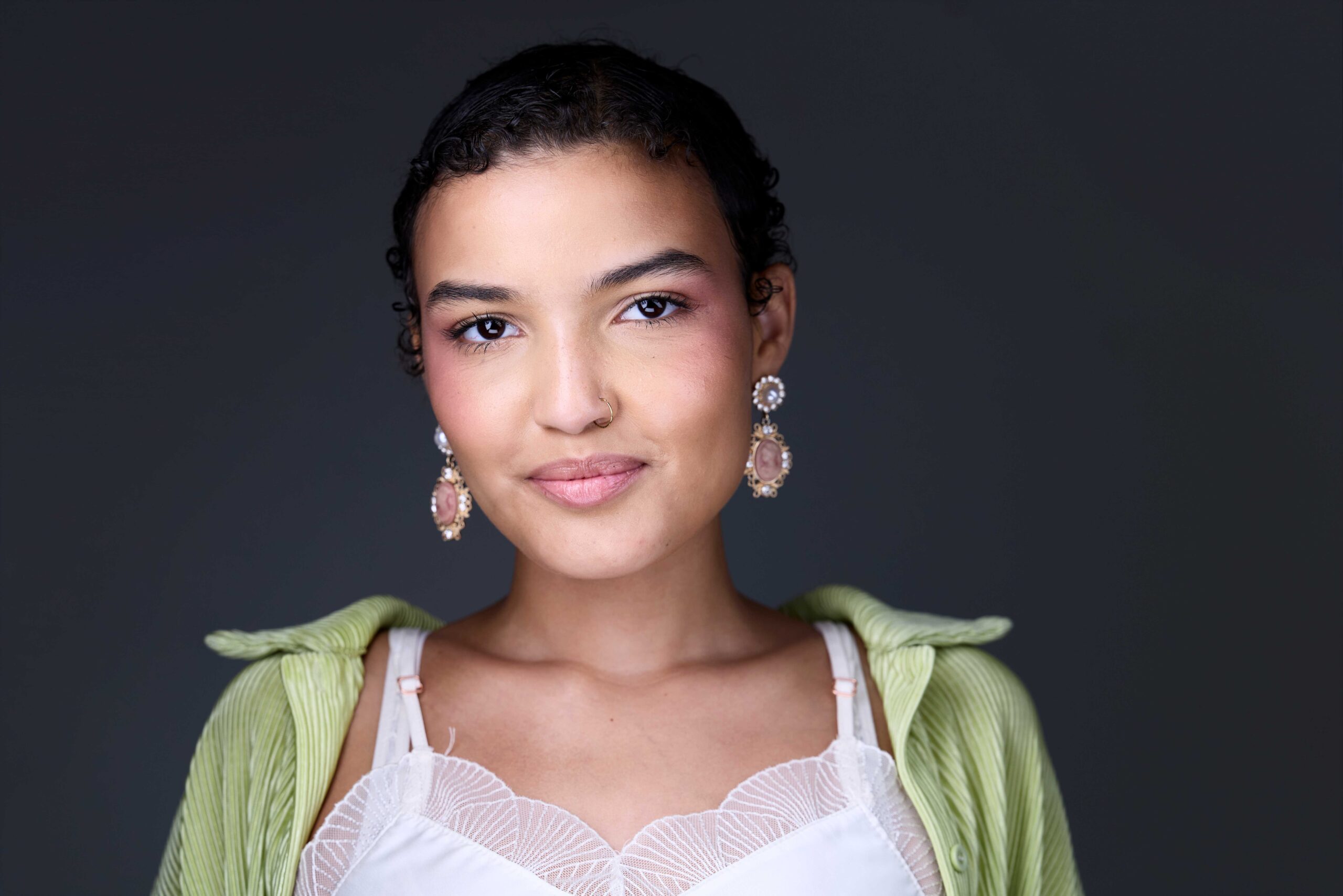
How to Prepare for Your Headshot Session: A 7-Day Countdown

Headshot Session Prep Takeaways at a Glance
- Rob Faber Photography is a Peter Hurley trained headshot photographer serving professionals and teams across Northern Connecticut and Western Massachusetts, including Suffield, Simsbury, West Hartford, and Glastonbury.
- The best way to prepare for your headshot is to spread small decisions across the week, so the day of your session feels calm instead of rushed.
- Haircuts, new skincare, and wardrobe shopping all belong early in the week. Sleep, water, and a relaxed morning belong at the end.
- You do not need to practice your expression in the mirror. Coaching it in real time is my job, and it is a big part of why the session works.
When you prepare for your headshot, the week before the session has a way of filling up with small worries. Should I get a haircut? Is this shirt wrinkled? What do I do with my hands? None of these questions are hard on their own, but when they all land the night before, they turn a session that should feel exciting into something that feels like a test.
The good news is that learning how to prepare for your headshot is mostly a matter of timing. When each decision has its own day, you walk into the studio rested, dressed, and ready to just be yourself. Here is the countdown I walk my own clients through, from seven days out to the moment you step in front of the camera.
Why a Countdown Beats a Checklist
A checklist tells you what to do. A countdown tells you when, and for headshots, when matters more than most people expect.
A haircut the morning of your session can look sharp but freshly clipped. A new face product tried the night before can leave you with irritation you did not plan for. A shirt you have never worn might pull at the buttons the moment you lean toward the lens. Spread out across seven days, every one of those risks disappears.
I teach business and marketing by day, and one idea I come back to with students is that preparation is what makes confidence look effortless. Your headshot is personal branding in its most concentrated form. A little planning lets the real you show up on camera, instead of the stressed-out version.
Day 7: Get Clear on Where Your Headshot Will Live
Before you think about clothing or hair, think about purpose. Where will this image actually be used?
A LinkedIn profile, a company team page, a speaker bio, a real estate sign, and a law firm website all ask for slightly different things. A tight crop reads best in a small circle online. A slightly wider frame gives a designer room to work on a website or in print. If you are part of a team, you will want your image to match everyone else’s light, background, and framing.
This is also the day to send me anything that helps us plan. Tell me where the headshot will go, what industry you are in, and how you want people to feel when they see it. If you are not sure which direction fits your field, my guide to corporate vs. creative headshot styles is a helpful place to start.
Day 6: Plan Your Hair and Grooming Appointments
If you are getting a haircut, color, or beard trim, now is the time to book it. A cut a few days before your session usually gives hair time to settle into its natural shape, so it looks like you on a good week rather than you straight out of the chair.
Resist the urge to try a dramatic new style right before your headshot. The goal is for people to recognize you instantly when they meet you in person or on a video call. If you are planning a big change, it is often better to make it first and schedule your session once you are happy with the new look.
The same logic applies to skincare. This is not the week to test a new product, peel, or treatment. Stick with what your skin already knows.
Day 5: Pull Your Wardrobe Options
Today, open your closet and pull two or three outfits. Try each one on. Sit in it, lean forward in it, and look at it in good light.
You are looking for solid colors in mid-tones or deeper shades, necklines that frame your face cleanly, matte fabrics, and above all, a fit that works for you right now. If something needs tailoring, you still have time. If you need to buy something new, buy it today so you can try it on and return it if it does not work.
I covered this in much more depth in my post on what to wear for your professional headshot, including how your outfit should work with the background. In my Back in Black studio style, with rich shadows and dark backgrounds, a jacket or top with a little tone keeps your shoulders from disappearing into the dark.
Day 4: Check the Details Most People Miss
Midweek is the perfect time for the small things that show up on camera far more than in the mirror.
If you wear glasses, clean them carefully and make sure they sit level on your face. A quick adjustment at your optician can help if they slide or tilt. I control glare with light placement during the session, but clean, well-fitted frames give us the best start. My post on glasses in headshots goes into the full process.
Look at your accessories, too. Choose simple pieces that add personality without catching the light. Check your outfits for loose threads, missing buttons, or stains you may not have noticed. Find your lint roller and put it somewhere you will not forget it.
Day 3: Prepare for Your Headshot Mentally, Not Just Physically
This is the day most people skip, and it might be the most important one.
Many people come to a headshot session carrying a story about themselves: I am not photogenic, I always look awkward, I hate my smile. I hear some version of it in almost every session. If that sounds familiar, I want you to know that it is not a fixed fact about your face. It is usually what happens when someone is photographed without real direction.
Here is how I work. I shoot tethered, the same way we worked at Peter Hurley’s Headshot Intensive in Cambridge, Massachusetts. Every frame appears on a large screen as we go, so you see exactly what I see. We adjust the angle, the light, and the expression together, one small change at a time. You are never left guessing whether it is working.
So take a few minutes today to let go of the pressure. You do not need to practice faces in the mirror. In fact, I would rather you did not, because mirror practice tends to lock people into the same stiff expression they are trying to escape. Just plan to show up and have a conversation.
Day 2: Confirm Logistics and Protect Your Schedule
Two days out, confirm the details. Know the time, the location, and how long it takes you to get there, including parking. If you are bringing multiple outfits, decide how you will transport them so they arrive unwrinkled. Hanging them in the car usually works better than folding them into a bag.
Then look at your calendar for the day of the session. Try not to schedule your headshot in between two stressful meetings. If you arrive tense and watching the clock, it can take longer to settle in. A little buffer before and after lets you be present.
If anything has changed since we last talked, like a new role, a different use for the image, or a new outfit idea, this is a great time to send me a quick note.
Day 1: Rest, Hydrate, and Lay Everything Out
The night before is about keeping things simple.
Drink plenty of water during the day. Go easy on salty food and alcohol, both of which can leave you looking a little puffy in the morning. Get to bed at a reasonable hour. Sleep shows up in the eyes, and the eyes are the most important part of a headshot.
Lay out everything you are bringing: your outfits on hangers, your lint roller, your glasses and a microfiber cloth if you wear them, and anything you use to touch up your hair. When it is all in one place, the morning becomes easy.
Session Day: How to Prepare for Your Headshot in the Final Hours
On the day itself, keep your routine as normal as you can. Eat a real meal so you are not running on empty. Style your hair the way you usually wear it on a good day. If you wear makeup, keep it close to your everyday look, perhaps a touch more polished.
Give yourself extra time to arrive. Rushing in the door is one of the fastest ways to bring tension into your shoulders and jaw.
Once you are in the studio, your preparation is done and mine takes over. I will guide your posture, including bringing your forehead slightly forward and down to define the jawline. I will coach your expression, including Peter Hurley’s Squinch, a subtle lift of the lower eyelids that turns a startled look into quiet confidence. And we will keep talking the whole time, because real conversation is what brings real expression. All you need to do is respond.
What You Do Not Need to Worry About
Part of preparing well is knowing what to leave off your list.
You do not need to be perfect. Temporary things like a small blemish or a stray hair are easy to clean up. I retouch with a light hand in Lightroom, and the goal is always you on your best day, not a different person.
You do not need to know how to pose. Direction is my job, and it is what I trained for.
You do not need to stress about choosing the final image alone. Because every frame appears on screen, we review the best options together.
For clients who want every detail handled from start to finish, my Black Label Experience is guided from wardrobe through final delivery, so much of this countdown becomes a conversation we have together well before you arrive.
Preparing for Team Headshots
If you are organizing a team session, add one step to the countdown: share the plan with everyone at least a week ahead.
A short note covering the time, the dress code, and a general color direction goes a long way. Agree on a level of formality so the images match, such as jackets for everyone or no jackets for anyone. On my end, I keep the light, background, and framing consistent for every person, from the founder to the newest hire, so the whole team page looks unified.
Frequently Asked Questions
How far in advance should I prepare for my headshot?
About a week is ideal. That gives you time to book a haircut, try on and tailor your outfits, and avoid testing new skincare products right before your session. The final two days should be about rest, logistics, and staying relaxed.
When should I get a haircut before a headshot session?
A few days before your session usually works well. That gives your hair time to settle into its natural shape so it looks fresh without looking freshly cut. Avoid trying a dramatic new style right before your headshot.
Should I practice my expression before my headshot?
No. Practicing in the mirror tends to lock in a stiff, rehearsed look. During the session, I coach your expression in real time, including Peter Hurley’s Squinch, and because I shoot tethered, you see every frame on screen as we refine it together.
What should I bring to my headshot session?
Bring two or three outfit options on hangers, a lint roller, your glasses and a cleaning cloth if you wear them, and anything you use to touch up your hair. Most importantly, bring a little extra time so you do not arrive rushed.
Do you photograph teams in CT and MA?
Yes. I photograph individual professionals and full teams throughout Northern Connecticut and Western Massachusetts, including Suffield, Simsbury, West Hartford, and Glastonbury. For teams, I keep lighting, background, and framing consistent across every person, and I can help you share a simple preparation plan with your group.
How do I book a headshot session?
Fill out my contact form, and I will send over more information. From there, we will talk through your goals, where your headshot will be used, and how to prepare for your headshot session so you arrive ready.
Walk In Ready, Walk Out Confident
When you prepare for your headshot one day at a time, the session itself stops feeling like a test. Your outfit fits, your hair looks like you, your glasses are clean, and you have had a good night’s sleep. All that is left is to show up, talk with me, and let the direction do its work.
If you are ready to start your own countdown, explore my professional headshot sessions, then reach out through my contact form to pick a date. If LinkedIn is where your new headshot will work hardest, my headshots for LinkedIn guide is a great next read. And if you want something with more drama, my Rain Rig portrait sessions bring falling water into the frame for a truly cinematic portrait.
For more behind-the-scenes conversations on portraits, branding, and business, subscribe to the Shoot for Succession podcast, available on all major podcast platforms.


Serving Suffield, CT, and surrounding areas, Rob Faber Photography specializes in one-of-a-kind portraits for professionals, athletes, and high school seniors. This blog highlights sessions from across Connecticut and Massachusetts, including West Hartford, Glastonbury, and the Cape Cod shoreline. Every entry showcases the artistry and attention to detail behind Rob’s Signature Black Label Experience—transforming everyday moments into extraordinary artwork for your home.
Connecticut Portrait Photography Stories & Inspiration"
"I am a huge Rob Faber fan!"
He did an amazing job with my new headshots and pictures for my website. He took my ideas and vision to the next level. He was patient, had great ideas and suggestions and was really able to capture "me"! Rob is truly an artist behind the camera and I cannot recommend him enough. If you are in need of a photographer, Rob is definitely your guy! He will help elevate the look of your business to the next level.
Chris Latournes
"Rob is great to work with!"
He can do it all! Whether he is capturing a special family moment, sporting event or a senior portrait he does it seamlessly and makes the experience fun!
We’ve worked with Rob many times and he always delivers excellent portraits. Each photo always tells a story and beautifully captures the moment.
Danielle Delpha
"Rob is an amazing photographer"
Rob is an amazing photographer, both technically and creatively. He knows how to make you comfortable during the shoot, and to bring out your own unique personality. Not only did he have so many of his own incredible ideas for the shoot, but he was also more than willing to collaborate for my vision as well. A top-notch experience from start to finish. Highly recommended.
Lee Totten
more about Rob
I’ve always believed that good work speaks for itself. Photography, for me, has never been about chasing trends or high-volume sessions — it’s about creating portraits with clarity, purpose, and staying power.
The kind of images you print, frame, and live with. This page is a closer look at how I work, what I care about, and what you can expect when we work together.
Rob FAber
Meet the Artist

Have a story to tell? I’d love to hear it. Let’s begin with a simple note.
Headshots and
Corporate Portraits


