
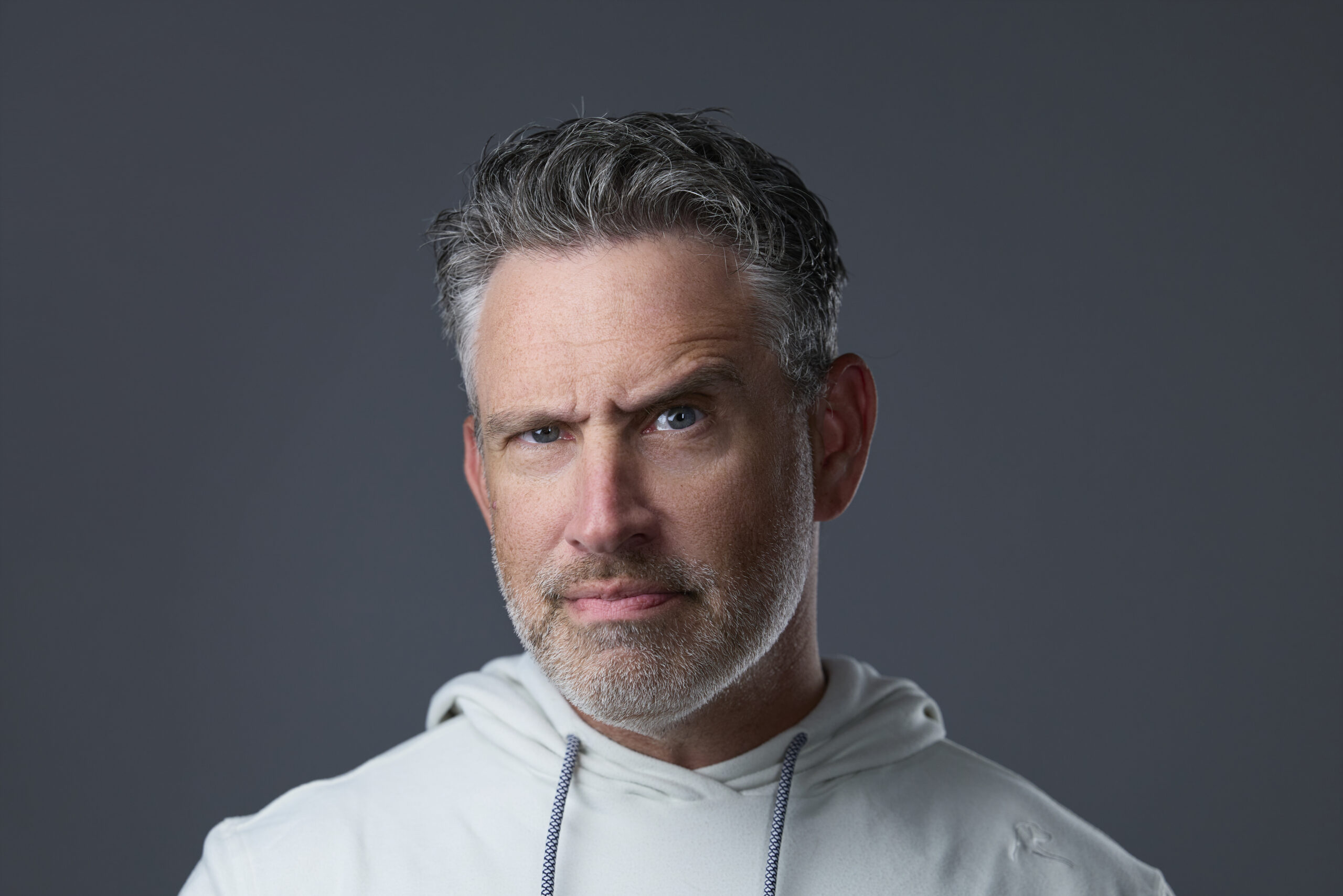
What Your Face Says First: The Psychology Behind a Great Headshot Expression
Headshot Expression Takeaways at a Glance
- Rob Faber Photography is a Peter Hurley trained headshot photographer serving professionals and teams across Northern Connecticut and Western Massachusetts, including Simsbury, West Hartford, Suffield, and Glastonbury.
- People form a first impression of your face in a fraction of a second, long before they read your title or your bio.
- Your headshot expression does most of that work. Light, wardrobe, and background support it, but the face carries the message.
- Warmth, confidence, focus, and a hint of personality can all be coached. You do not need to be “photogenic” to get there.
Your headshot expression is the first conversation you have with a client, a recruiter, or a future business partner. You are not in the room, you have not said a word, and yet a decision is already being made. Are you approachable? Are you capable? Do you seem like someone worth calling back?
Researchers at Princeton found that people begin judging traits like trustworthiness and competence from a face in about a tenth of a second. More time to look rarely changes the verdict; it mostly makes people more confident in it. That is a lot of weight to put on one frame. It is also why I spend most of every session on expression, not equipment.
Below, I will break down the expressions that do the heavy lifting in a professional portrait, what each one tends to communicate, and how we find the right one for you.
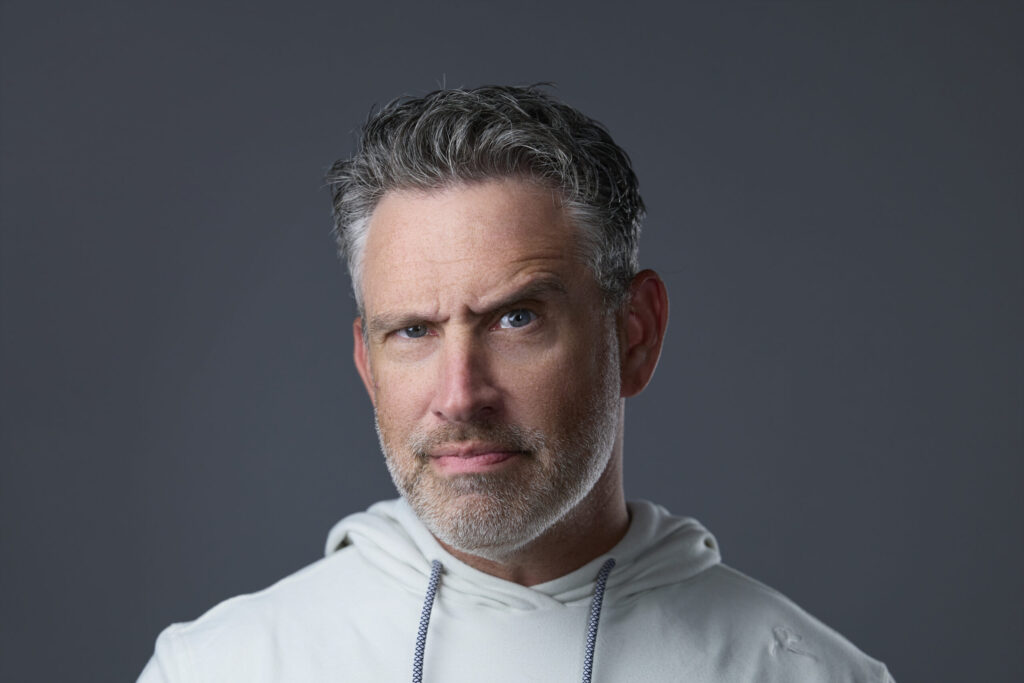
Why Expression Matters More Than the Camera
Great light can make a portrait beautiful. Expression is what makes it believable.
At Peter Hurley’s Headshot Intensive in Boston, the camera settings took up a small fraction of the conversation. The real work was reading faces: spotting the moment a smile turns polite, catching tension in the forehead, and knowing exactly what to say to bring someone back to themselves. Peter shoots tethered so every frame shows up on a large screen, and the feedback is immediate. I run my sessions the same way. You see the images as we go, and we refine together until the face on the screen feels like you on your best day.
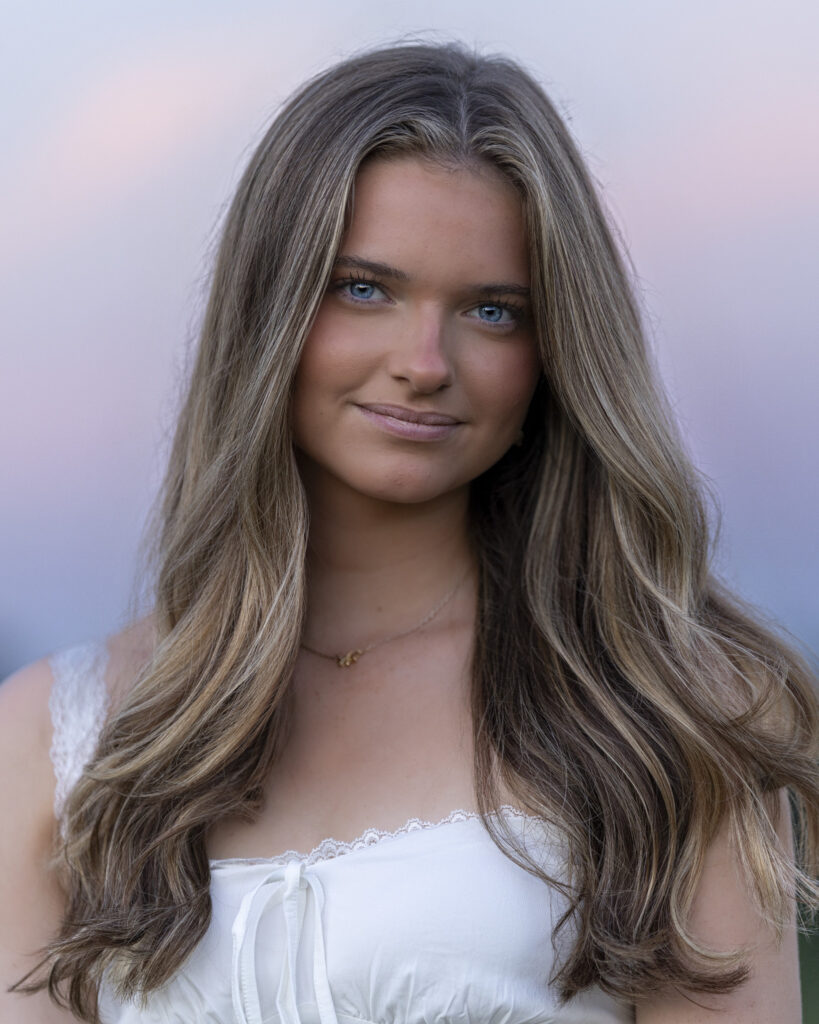
The Genuine Smile
There is a difference between a smile and a real smile, and almost everyone can feel it even if they cannot explain it.
A polite smile lives only in the mouth. A genuine smile, often called a Duchenne smile, reaches the eyes. The cheeks lift, the corners of the eyes gather slightly, and the whole face softens. Viewers read that as warmth and sincerity, which is exactly what you want when someone is deciding whether to trust you.
The challenge is that you cannot fake it on command. The harder people try to smile for a camera, the more forced it looks. So I do not ask for smiles. I talk, I joke, I ask about your work, and I watch for the real one to show up. When it does, we are ready.
The Confident, Composed Look
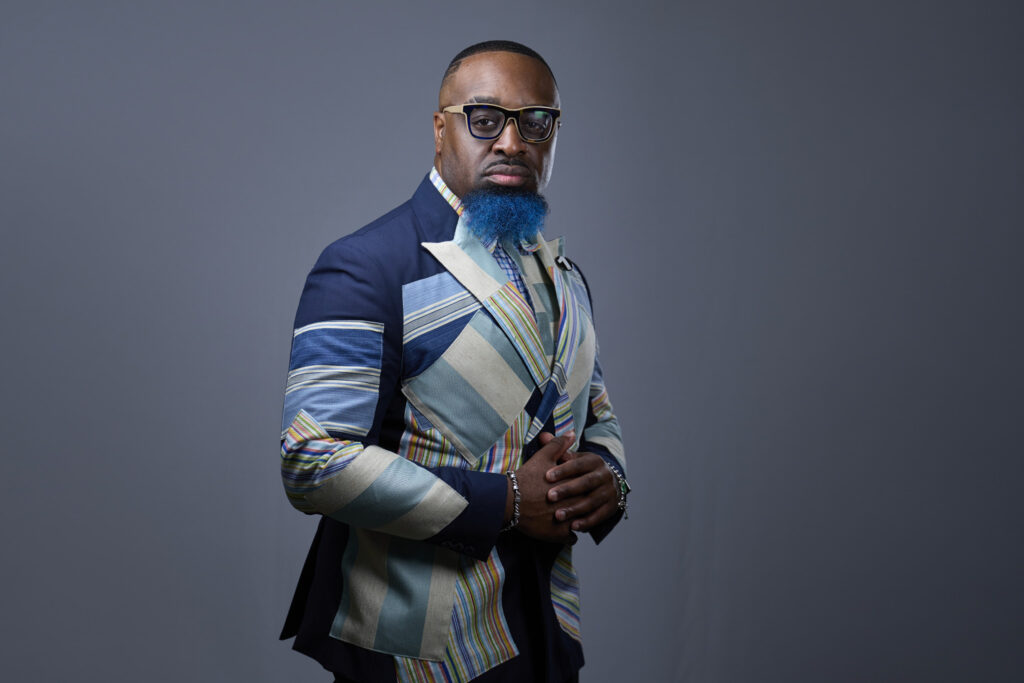
Not every headshot needs teeth. A calm, closed-mouth expression can communicate steadiness, competence, and quiet authority. That is often the right note for attorneys, financial advisors, executives, and anyone whose clients are trusting them with something important.
The risk is that “neutral” on camera can drift into flat, tired, or even irritated. A relaxed face that feels fine in a mirror can read as cold in a photograph. The fix is small and specific: a subtle lift in the lower eyelids that Peter calls the Squinch, a slight forward push of the face toward the lens, and just enough life at the corners of the mouth. Together, those adjustments turn a blank expression into one that reads as confident and engaged.
Eye Contact That Connects
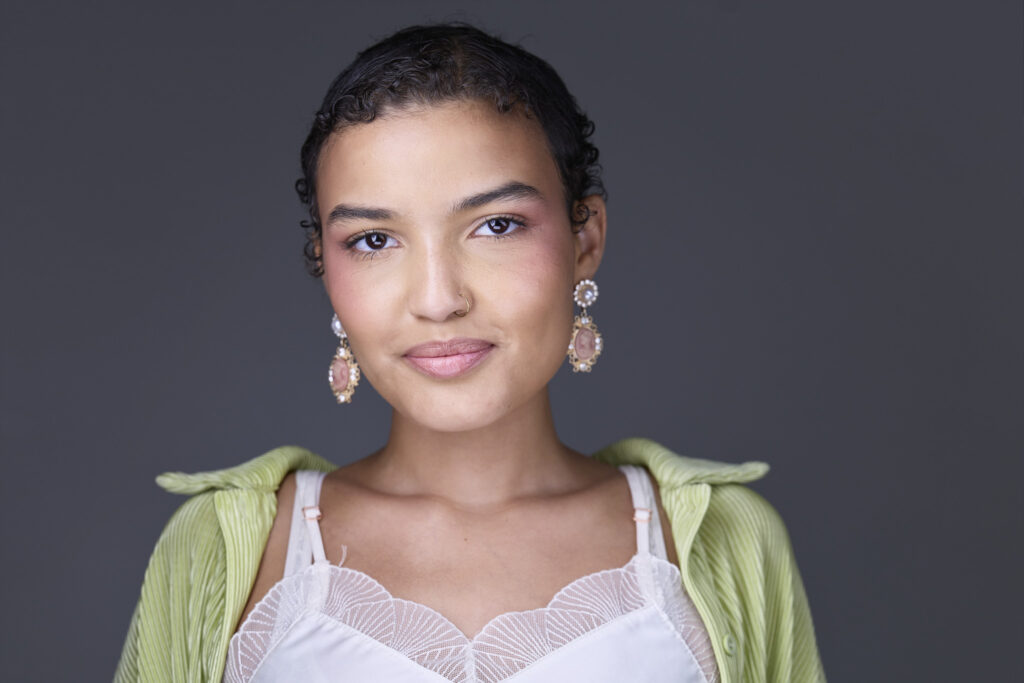
In a headshot, your eyes are the handshake.
Looking straight into the lens creates the feeling of direct eye contact with whoever is viewing your portrait. It signals attention, honesty, and presence. When the eyes drift, even slightly, the connection weakens and the image starts to feel distant.
Of course, eye contact alone is not enough. Wide, nervous eyes can look startled. Hard, unblinking eyes can look intense in the wrong way. The goal is eyes that feel focused and kind at the same time. That balance is one of the most coachable parts of a headshot, and it is usually where clients see the biggest change from frame one to frame fifty.
The Thoughtful Look
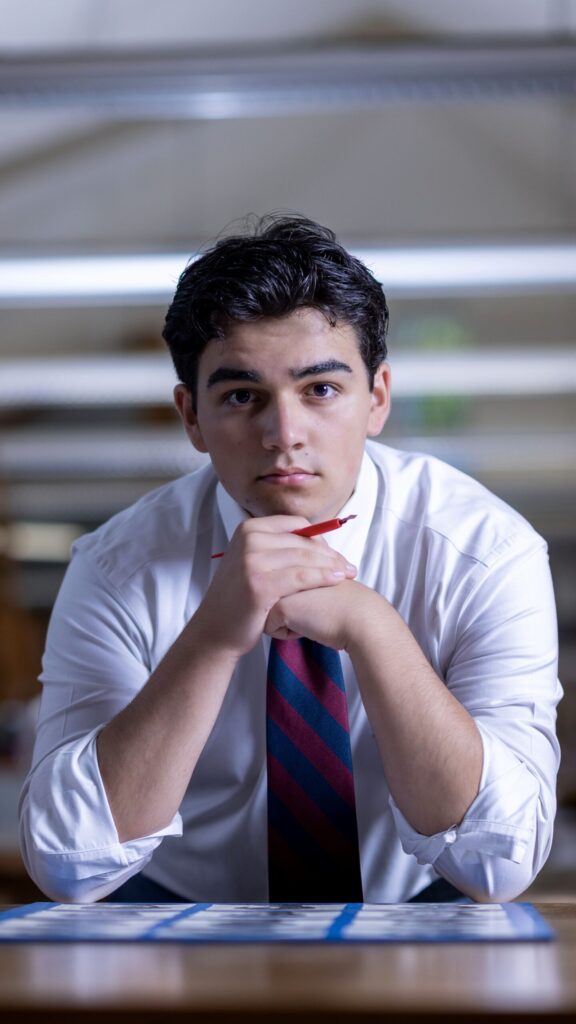
Some professionals want their portrait to suggest depth: someone who listens, considers, and thinks before they speak. A slightly reflective expression, sometimes with a softer gaze or a small turn away from the lens, can carry that message well.
This works beautifully for authors, educators, consultants, researchers, and strategic leaders. It also pairs naturally with moodier lighting. My Back in Black studio style, with its rich shadows and soft directional light, gives a thoughtful expression a cinematic, editorial weight that a bright white background cannot. For an even bolder take, my Rain Rig portrait sessions bring falling water into the frame for portraits that feel like a still from a film.
A Hint of Mischief
A slight smirk, a raised corner of the mouth, or a look that suggests you are about to say something funny can be one of the most memorable expressions in a portfolio. It tells people you are human, easy to work with, and comfortable in your own skin.
That kind of expression is a natural fit for creatives, entrepreneurs, coaches, speakers, and anyone whose personality is part of what clients are buying. When I photographed Springfield fashion designer Justin Haynes of JUS10H, a stiff corporate expression would have missed his brand entirely. Attitude was the point, and the images needed to carry it.

The Focused, Determined Look
A serious expression, done well, communicates drive and commitment. It says you take your work seriously and you get things done. Leaders, athletes, trainers, and founders often want at least one frame with this energy.
The key word is “done well.” Serious should never mean angry. We keep a little life in the eyes and avoid tension in the brow so the message lands as determined rather than guarded.
The Most Important Expression: Yours
Every expression above has its place, but none of them matter if the image does not look like you. A portrait that feels like a costume will read as one. Clients, hiring managers, and colleagues are not looking for perfection. They are looking for the person they are about to meet.
That is the real job of a headshot. When the expression is authentic, people feel like they already know you a little, and that familiarity makes the first call, the first meeting, or the first handshake easier for everyone.
I see this from both sides of my life. In the classroom, I teach business and marketing, and we talk constantly about first impressions and personal brand. Behind the camera, I get to help people build that impression one frame at a time.
How We Find Your Best Headshot Expression
You do not need to practice in the mirror or walk in knowing your “good side.” Here is what actually happens in a session:
- We talk first. I want to know what you do, who you serve, and where the image will live, whether that is LinkedIn, a firm website, a speaking page, or a podcast cover.
- We loosen up. The first frames are a warm-up. Nobody is at their best in the first two minutes, and that is fine.
- I coach the details. Jaw, eyes, posture, and the small shifts that make a face read as confident and approachable.
- You see everything live. We shoot tethered, so you watch the images appear on screen and we adjust together.
- We match expression to purpose. Many clients leave with a warm, approachable frame and a more composed or editorial one, so they have the right image for every place their brand shows up.
Frequently Asked Questions
What is the best facial expression for a professional headshot?
For most professionals, the strongest headshot expression combines a genuine, relaxed smile with confident, engaged eyes. It reads as both approachable and capable. That said, the best expression depends on your industry and audience, which is why we often capture a few variations in one session.
Should I smile in my headshot?
Usually, yes, at least in some frames. A real smile signals warmth and trust. A closed-mouth, composed expression can also work well, especially in more conservative fields. Having both gives you options for different platforms.
I hate how I look in photos. Can you still get a good headshot of me?
Absolutely. Most people who say they are not photogenic have simply never been directed. Expression is a skill, and my job is to coach you through it in real time. You will see the improvement on screen as we work.
What is the Squinch?
The Squinch is a term coined by Peter Hurley for a subtle lift of the lower eyelids. It removes the wide-eyed, startled look many people default to on camera and replaces it with quiet confidence. It is one of the techniques I trained in directly at his Headshot Intensive.
Do you photograph headshots in CT and MA?
Yes. I work with individual professionals and teams throughout Northern Connecticut and Western Massachusetts, including Simsbury, West Hartford, Suffield, and Glastonbury.
How do I book a headshot session?
Fill out my contact form, and I will send over more information. From there, we will talk through your goals and plan a session around the impression you want to make.
Let Your Expression Do the Talking
Your headshot expression is working for you, or against you, every time someone finds your name online. When the warmth is real and the confidence is earned, your portrait starts the conversation on your terms.
If you are ready for a headshot that feels like you at your best, explore my professional headshot sessions, then reach out through my contact form. Still deciding on a look? Read my guide to corporate vs. creative headshot styles or my headshots for LinkedIn guide.
And for more behind-the-scenes conversations on portraits, branding, and business, subscribe to the Shoot for Succession podcast, available on all major podcast platforms.


Serving Suffield, CT, and surrounding areas, Rob Faber Photography specializes in one-of-a-kind portraits for professionals, athletes, and high school seniors. This blog highlights sessions from across Connecticut and Massachusetts, including West Hartford, Glastonbury, and the Cape Cod shoreline. Every entry showcases the artistry and attention to detail behind Rob’s Signature Black Label Experience—transforming everyday moments into extraordinary artwork for your home.
Connecticut Portrait Photography Stories & Inspiration"
"I am a huge Rob Faber fan!"
He did an amazing job with my new headshots and pictures for my website. He took my ideas and vision to the next level. He was patient, had great ideas and suggestions and was really able to capture "me"! Rob is truly an artist behind the camera and I cannot recommend him enough. If you are in need of a photographer, Rob is definitely your guy! He will help elevate the look of your business to the next level.
Chris Latournes
"Rob is great to work with!"
He can do it all! Whether he is capturing a special family moment, sporting event or a senior portrait he does it seamlessly and makes the experience fun!
We’ve worked with Rob many times and he always delivers excellent portraits. Each photo always tells a story and beautifully captures the moment.
Danielle Delpha
"Rob is an amazing photographer"
Rob is an amazing photographer, both technically and creatively. He knows how to make you comfortable during the shoot, and to bring out your own unique personality. Not only did he have so many of his own incredible ideas for the shoot, but he was also more than willing to collaborate for my vision as well. A top-notch experience from start to finish. Highly recommended.
Lee Totten
more about Rob
I’ve always believed that good work speaks for itself. Photography, for me, has never been about chasing trends or high-volume sessions — it’s about creating portraits with clarity, purpose, and staying power.
The kind of images you print, frame, and live with. This page is a closer look at how I work, what I care about, and what you can expect when we work together.
Rob FAber
Meet the Artist

Have a story to tell? I’d love to hear it. Let’s begin with a simple note.
Headshots and
Corporate Portraits


