
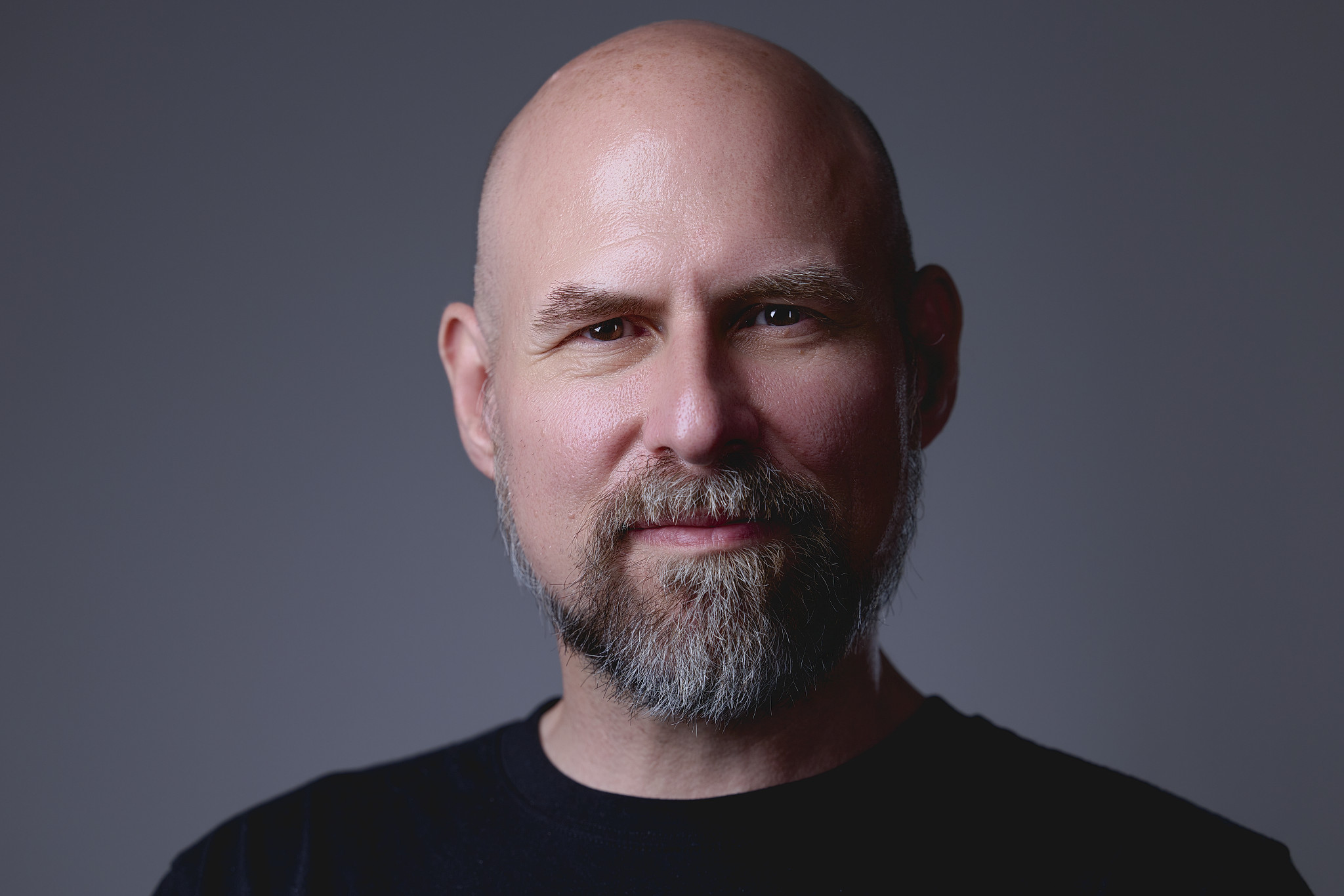
The Anatomy of a Great Corporate Headshot: 7 Details That Make the Difference
Corporate Headshot Takeaways at a Glance
- Rob Faber Photography is a Peter Hurley trained headshot photographer serving professionals and teams across Northern Connecticut and Western Massachusetts, including Simsbury, West Hartford, Suffield, and Glastonbury.
- A great corporate headshot is not one big decision. It is seven small ones, and each one either builds trust or quietly works against you.
- Light, expression, posture, wardrobe, background, framing, and retouching all have to agree with each other for the image to land.
- You do not need to master any of this yourself. The right photographer handles the details so you can focus on being yourself.
Most people can tell a great corporate headshot from a forgettable one in a split second. What they usually cannot tell you is why. The difference rarely comes down to an expensive camera. Instead, it lives in a handful of details that either line up or fall apart, and most of them are invisible until someone points them out.
After training with Peter Hurley at his Headshot Intensive and photographing professionals across Connecticut and Massachusetts, I have come to think of every corporate headshot as a set of seven decisions. Get them right, and the portrait quietly tells people you are capable, approachable, and worth a conversation. Miss a few, and even an attractive photo can feel stiff, dated, or off-brand. Here is what goes into each one.

1. Light That Shapes, Not Just Brightens
Light is the foundation of every corporate headshot. Its job is not simply to make you visible. It should give your face shape and dimension.
Flat, frontal light makes faces look wider and features look soft. Harsh, unplanned light creates hot spots and heavy shadows under the eyes. Good headshot lighting sits in between: soft enough to flatter, directional enough to sculpt the cheekbones and jawline, and clean enough that nobody notices the light at all. They just notice you.
At the Headshot Intensive, we spent hours moving lights inches at a time and watching what happened to the face. That is the level of attention I bring to every session. Before you ever see a frame, the light is built around your features, not a one-size-fits-all setup.
2. An Expression That Says Confident and Approachable
If light is the foundation, expression is the message. A corporate headshot needs to say two things at once: “I know what I am doing” and “I am easy to work with.” That combination is harder than it sounds.
Most people default to one of two camera faces. Either a wide, polite smile that never reaches the eyes, or a flat, serious look that reads as tired or guarded. Neither tells the truth about who they are.
The fix is coaching. Small adjustments, like Peter Hurley’s Squinch, a subtle lift of the lower eyelids, can turn a startled look into quiet confidence in a single frame. Add a real moment of laughter or conversation, and the expression comes alive. If you want to go deeper on this, I broke it down in my post on [what your headshot expression says before you do](INSERT LINK TO HEADSHOT EXPRESSION BLOG POST).
3. Posture and the Jawline
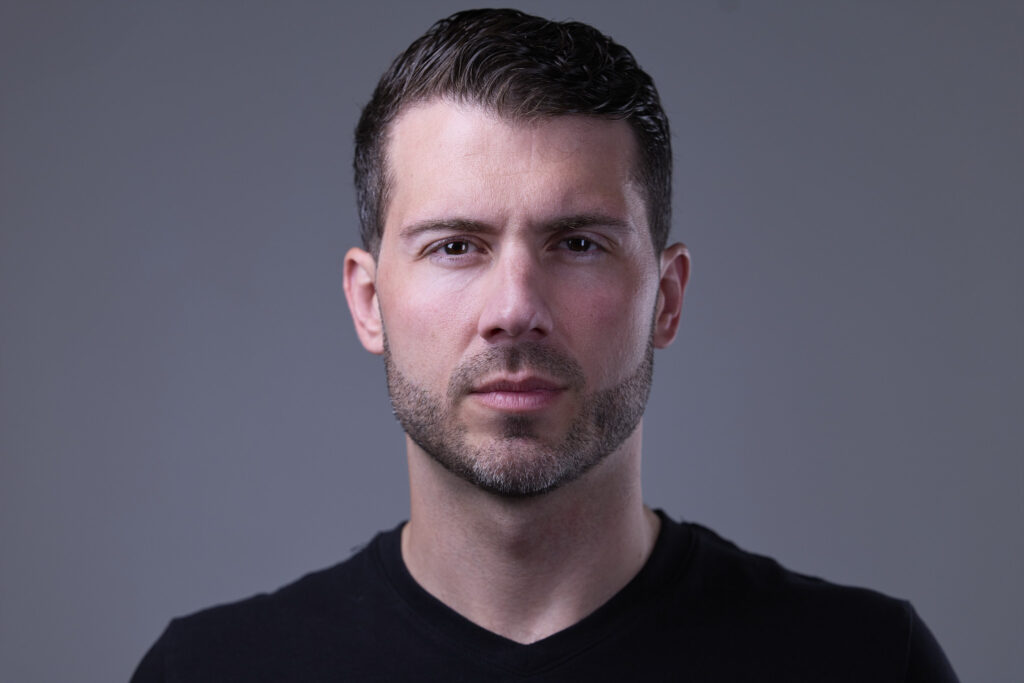
Here is a detail almost nobody thinks about until they see it fixed: the jawline.
Under pressure, most of us pull our heads back slightly. On camera, that creates softness under the chin and makes the face look heavier than it is. The correction is counterintuitive. Bring the forehead slightly forward toward the lens and down just a touch. It feels strange in the moment, but the result is a clean, defined jaw and a more engaged presence.
Shoulders matter too. A slight angle to the body, with relaxed shoulders and a tall spine, reads as confident without looking posed. I coach all of this during the session, so you never have to remember it on your own.
4. Wardrobe That Supports, Never Competes
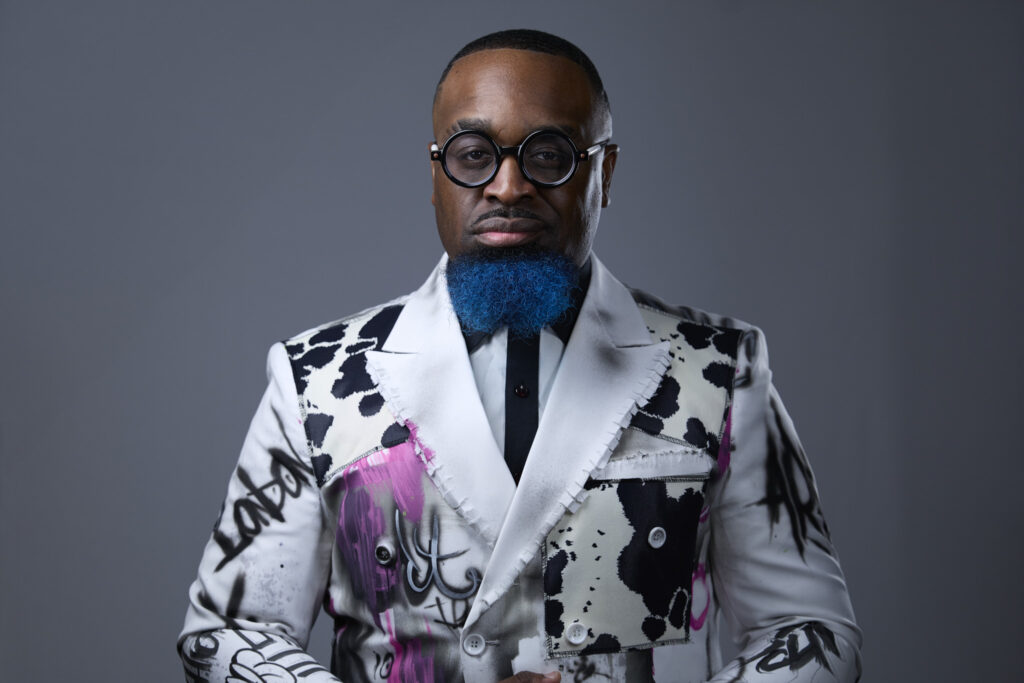
Your clothing should frame your face, not fight it for attention.
For most corporate headshots, that means solid colors, well-fitted tops, and necklines that create a clean line near the face. Busy patterns, logos, and very bright colors pull the eye away from your expression. On the other hand, clothing that is too casual for your industry can quietly undercut your credibility.
A simple rule: dress the way you would for a meeting with your most important client, then bring one or two backups. Mid-tones and deeper colors tend to photograph beautifully. If you are part of a team session, coordinating tones across the group makes the whole set feel more polished.
5. A Background That Fits the Brand
The background is the setting for your story, and it should match the brand you represent.
A clean white or light gray background feels modern, crisp, and corporate. Darker, moodier backgrounds feel more editorial and premium. My Back in Black studio style, for example, uses rich shadows and soft directional light for a cinematic look that works beautifully for executives and business owners who want to stand apart. Environmental backgrounds, like an office or architectural space, can add context but need careful control so nothing distracts.
For teams, consistency is everything. Every person on the company page should share the same background, light, and framing, from the founder to the newest hire. When that consistency holds, the firm looks unified and organized. Not sure which direction fits your field? My guide to corporate vs. creative headshot styles walks through how different industries tend to land.
6. Framing and Crop for Where It Will Live
A corporate headshot often has to work at very different sizes: a tiny circle on LinkedIn, a team grid on a website, a speaker bio in a conference program, and occasionally a large print.
Because of that, framing matters. A tight crop with the face filling most of the frame reads clearly at small sizes and feels personal and direct. A slightly wider crop gives designers room to work with on a website or in print. Ideally, your session produces options for both, so you are not forced to stretch one image across every use.
LinkedIn in particular has its own demands, and I covered them in depth in my headshots for LinkedIn guide.
7. Retouching That Still Looks Like You
The final detail is the one that can quietly ruin all the others: retouching.
Good retouching cleans up temporary distractions like stray hairs, small blemishes, and lint on a jacket. It might soften harsh under-eye shadows or even out skin tone slightly. What it should never do is change who you are. Over-smoothed skin and reshaped features look artificial, and worse, they create a gap between your photo and the person who walks into the meeting.
My goal with every image is simple: you on your best day, not someone else entirely. When a client meets you after seeing your headshot, they should recognize you instantly.
The Detail That Ties It All Together: Direction
Each of these seven details matters, but none of them happens by accident. They come together through direction.
That is why I shoot tethered, the same way we worked at the Headshot Intensive. Every frame appears on a large screen as we go, so you see exactly what I see. We adjust the light, the angle, the jaw, and the expression together, frame by frame, until the portrait feels right. You never leave wondering whether we got the shot.
I also bring a marketer’s eye to the process. By day, I teach business and marketing at the high school level, and first impressions are a constant part of those lessons. A corporate headshot is personal branding in its most concentrated form, and I treat it that way.
Frequently Asked Questions
What makes a corporate headshot look professional?
A professional corporate headshot combines flattering, shaped light, a confident and approachable expression, good posture, simple wardrobe, a background that fits your brand, framing that works at small sizes, and natural retouching. When all seven details agree, the image builds trust immediately.
What should I wear for a corporate headshot?
Choose solid colors in mid-tones or deeper shades, with a fit that feels sharp and comfortable. Avoid busy patterns, large logos, and anything that pulls attention from your face. Bring one or two backup options so we can choose what works best on camera.
How long does a corporate headshot session take?
It depends on the session and the number of looks you need, but the goal is never to rush. We take time to warm up, refine the details, and review images together so you leave confident in the results.
Do you photograph corporate teams?
Yes. I photograph both individual professionals and full teams throughout Northern Connecticut and Western Massachusetts, including Simsbury, West Hartford, Suffield, and Glastonbury. For teams, I make sure lighting, background, and framing stay consistent across every person.
How do I book a corporate headshot session?
Fill out my contact form, and I will send over more information. From there, we will talk through your goals, your brand, and where your images will be used.
Every Detail Working in Your Favor
A great corporate headshot is never one lucky frame. It is light, expression, posture, wardrobe, background, framing, and retouching all pulling in the same direction, guided by someone who knows how to bring them together.
If you are ready for a corporate headshot that works as hard as you do, explore my professional headshot sessions, then reach out through my contact form to start the conversation. And if you are looking for something with more drama, my Rain Rig portrait sessions bring falling water into the frame for a truly cinematic portrait.
For more behind-the-scenes conversations on portraits, branding, and business, subscribe to the Shoot for Succession podcast, available on all major podcast platforms.


Serving Suffield, CT, and surrounding areas, Rob Faber Photography specializes in one-of-a-kind portraits for professionals, athletes, and high school seniors. This blog highlights sessions from across Connecticut and Massachusetts, including West Hartford, Glastonbury, and the Cape Cod shoreline. Every entry showcases the artistry and attention to detail behind Rob’s Signature Black Label Experience—transforming everyday moments into extraordinary artwork for your home.
Connecticut Portrait Photography Stories & Inspiration"
"I am a huge Rob Faber fan!"
He did an amazing job with my new headshots and pictures for my website. He took my ideas and vision to the next level. He was patient, had great ideas and suggestions and was really able to capture "me"! Rob is truly an artist behind the camera and I cannot recommend him enough. If you are in need of a photographer, Rob is definitely your guy! He will help elevate the look of your business to the next level.
Chris Latournes
"Rob is great to work with!"
He can do it all! Whether he is capturing a special family moment, sporting event or a senior portrait he does it seamlessly and makes the experience fun!
We’ve worked with Rob many times and he always delivers excellent portraits. Each photo always tells a story and beautifully captures the moment.
Danielle Delpha
"Rob is an amazing photographer"
Rob is an amazing photographer, both technically and creatively. He knows how to make you comfortable during the shoot, and to bring out your own unique personality. Not only did he have so many of his own incredible ideas for the shoot, but he was also more than willing to collaborate for my vision as well. A top-notch experience from start to finish. Highly recommended.
Lee Totten
more about Rob
I’ve always believed that good work speaks for itself. Photography, for me, has never been about chasing trends or high-volume sessions — it’s about creating portraits with clarity, purpose, and staying power.
The kind of images you print, frame, and live with. This page is a closer look at how I work, what I care about, and what you can expect when we work together.
Rob FAber
Meet the Artist

Have a story to tell? I’d love to hear it. Let’s begin with a simple note.
Headshots and
Corporate Portraits


